Is Pilates Good for Runners?
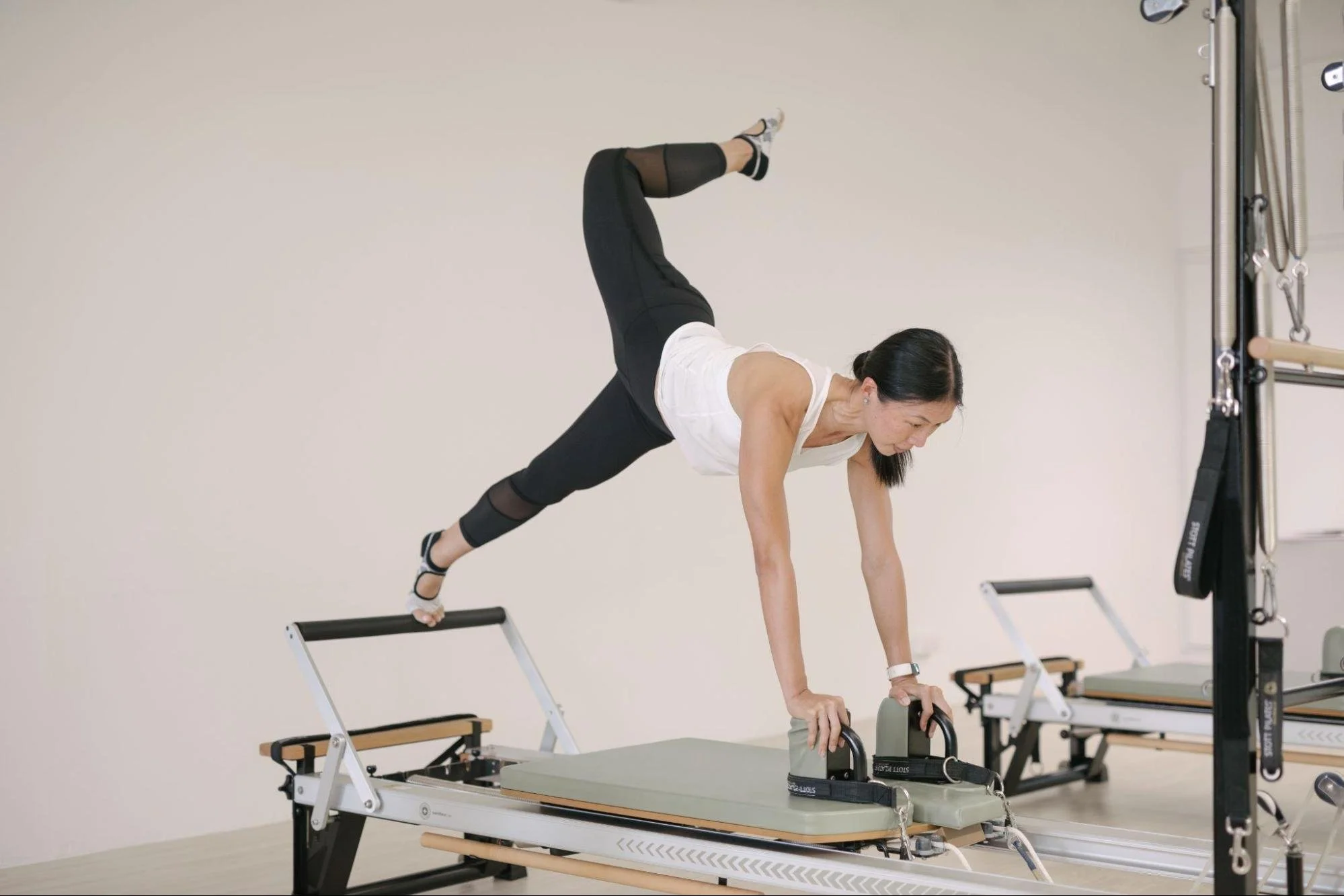
Pilates can be valuable cross-training for runners because it develops the strength, control and mobility that running does not always train on its own.
Running builds cardiovascular fitness and leg endurance but causes specific muscular imbalances over time because of repetitive motion. The glutes may not develop fully, the hip flexors tighten, and the deep core muscles that support posture during a long run may weaken.
Pilates addresses these gaps directly. It strengthens the core and hips, improves control through the feet and ankles, and develops mobility without sacrificing stability.
Whether you are training for a race, running recreationally, or working through an injury, Pilates can help you move with better control both on and off the road.
The Benefits of Pilates for Runners
Running is a highly repetitive activity. It is good at building one kind of fitness, but not effective at building another.
1. Enhanced Core Stability
Core strength in running is not about having visible abdominal muscles. The muscles that matter most for a runner are the deep abdominals, the obliques, and the deep muscles of the lower back that stabilise the torso during movement.
When these muscles fatigue, running form may become less efficient. The pelvis can drop, the torso may twist, wasting energy and placing additional strain on the hips and knees.
Pilates trains these deep stabilisers directly and progressively in ways that running alone never reaches. A stronger midsection keeps posture upright for longer, reduces the energy cost per stride, and protects the joints that bear the repetitive load.
2. Injury Prevention
Pain in the knee, tightness along the iliotibial (IT) band, and discomfort in the shins are among the most common concerns runners deal with, but they rarely start where the pain shows up. Knee pain often stems from weak or underactive glutes. IT band tightness often reflects poor hip stability. Shin splints can point to insufficient ankle and foot control lower in the leg.
Pilates is good cross-training for runners seeking to address these causes. It targets the glutes, hips, and pelvic muscles with controlled resistance and precise alignment, building the structural support the lower limbs need to absorb impact run after run. Getting ahead of these imbalances is considerably more effective than managing the consequences once they become injuries.
3. Better Range of Motion
Runners often focus on stretching the hamstrings, calves and hip flexors. Stretching may provide temporary relief, but mobility is not simply a matter of making a muscle longer.
Pilates combines mobility and resistance within the same exercise. A Reformer movement may take the hip through a larger range while the springs provide support and resistance. Other exercises develop movement through the ankles, upper back and shoulders while keeping the rest of the body stable.
This approach is particularly useful for runners who feel stiff but do not see lasting results from stretching alone.
4. Active Recovery
One of the more underrated qualities of Pilates is that it does not add strain on the joints and connective tissue. A low-impact session gives the joints of a runner a break from the pavement while still engaging the glutes, stabilisers, and supporting muscles a runner relies on.
Pilates and Running Schedule
There is no single Pilates and running schedule that suits every runner.
How often and when you add Pilates depends on your weekly running volume and where you are in your training cycle. A Pilates and running schedule does not need to be complicated.
For Most Recreational Runners: One to two Pilates sessions per week alongside regular running is enough to see real improvements in core stability, hip strength, and injury resilience.
For Runners in Peak Training: Schedule Pilates on lower-mileage days or the day after a hard run or long session, when it serves as active recovery while reinforcing the muscles you use most.
For Runners Returning From Injury: Two to three sessions per week, ideally with a clinically trained instructor who can identify the specific imbalance contributing to the issue, will support recovery far more effectively.
However, do avoid demanding Pilates sessions in the 24 to 48 hours before a key run or race. Save the harder strength work for days when you run shorter distances.
Train Smarter With Breathe Pilates
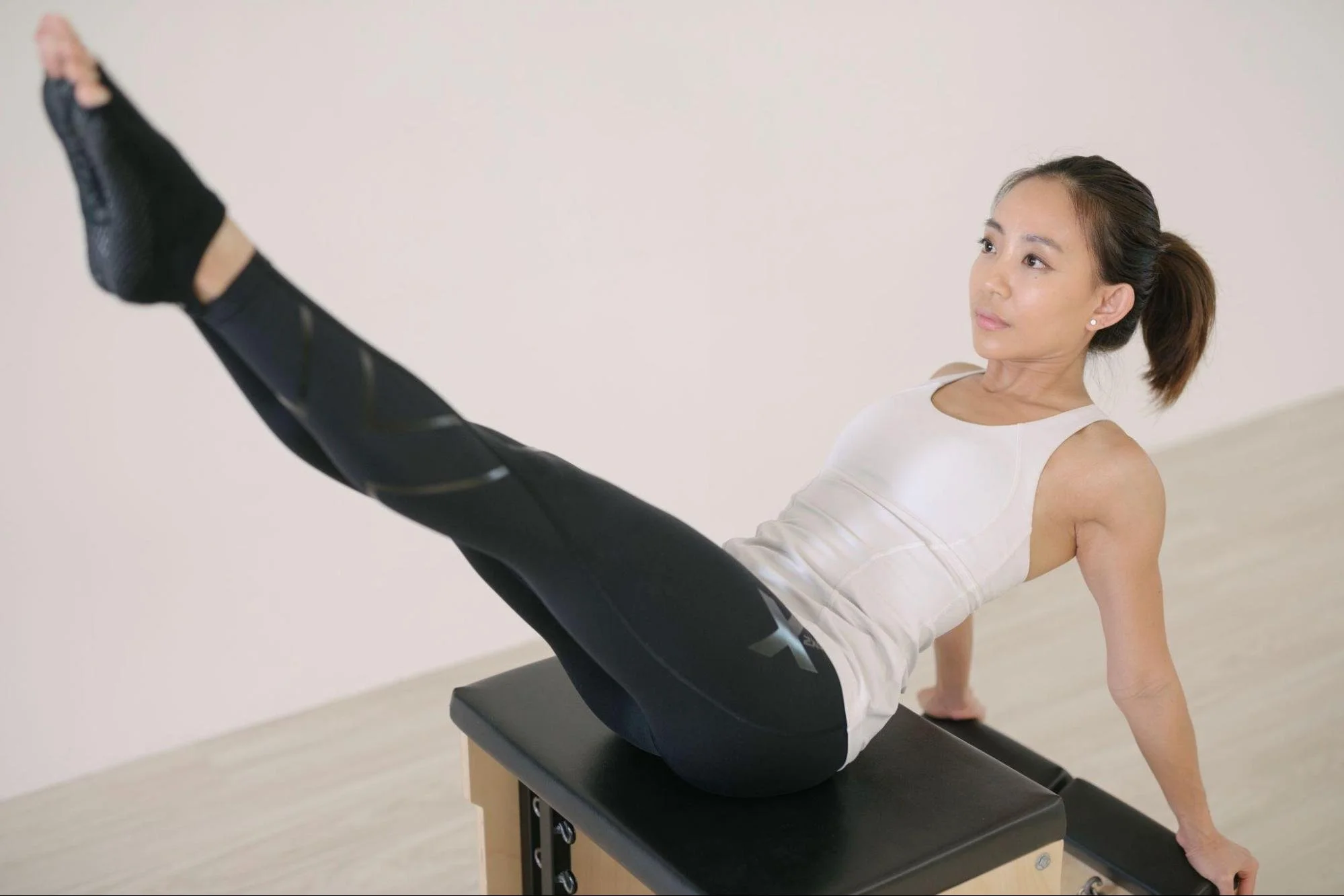
Running develops cardiovascular fitness and endurance. Pilates trains the control behind each stride: how the pelvis stays level, how the trunk manages rotation and how the hips, knees, ankles and feet work together.
At Breathe Pilates, our instructors are internationally certified and rehab-trained, with several holding physiotherapy qualifications. Every session is tailored to your body's specific needs, whether that means addressing a persistent imbalance or building the core strength and hip stability your running currently lacks.
If you are managing a recurring issue, a private Pilates class gives you one-on-one attention centred entirely on your body and your goals. If you are building core strength and hip stability to support your running over the long term, our small-group classes offer expert instruction in a structured environment, keeping class sizes small to ensure your technique is prioritised.
To find the right format for your training stage, book a session at one of our Pilates studios.