How Many Times Should You Go to Pilates in a Week?
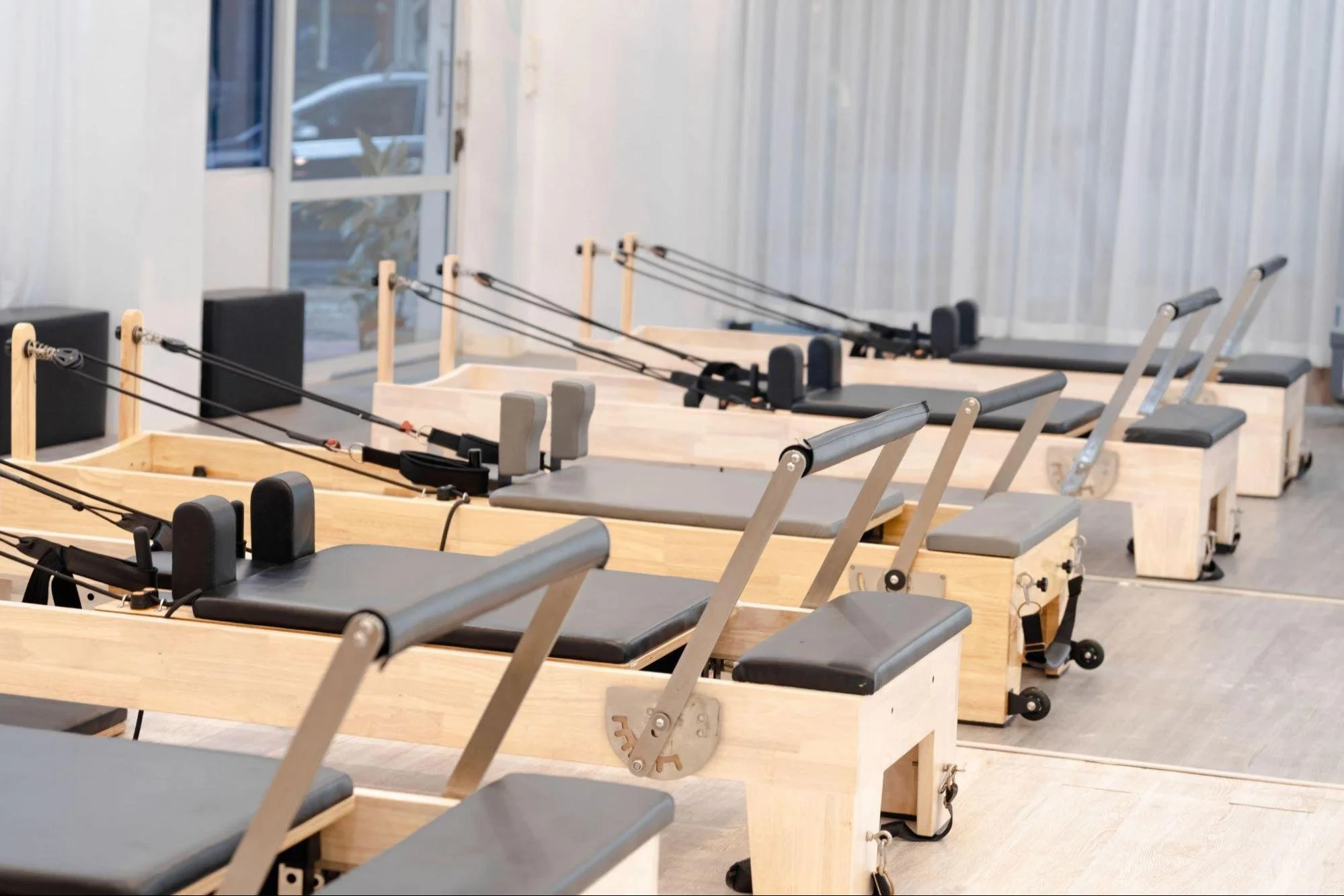
One of the most common questions we hear from new and prospective clients is how often they should practise. It is a good question, and the answer is more useful than "as often as possible." For most people, building a consistent pilates routine, the recommended session, three to four a week, offers the right balance of stimulus and recovery to see real, lasting progress. That said, the right frequency for you depends on where you are starting from, what you want to achieve, and how your body responds. Here is how to think through it.
Recommended Weekly Frequencies
For Beginners: 2–3 Sessions Per Week
If you are new to Pilates, starting with two to three Pilates classes a week gives your body the repetition it needs to learn foundational movements, proper breathing mechanics and how to activate deep core muscles, without overwhelming the nervous system or the stabilising muscles being asked to work in unfamiliar ways. This frequency builds familiarity steadily and, crucially, makes the practice sustainable from the start.
For Intermediate and Advanced Practitioners: 3–4+ Sessions Per Week
When you’re ready to progress, ramping up to three to four or more sessions a week accelerates gains in strength, endurance and flexibility. At this level, mixing mat work with Reformer or other apparatus sessions is particularly valuable. It introduces variety, challenges the body across different movement patterns and keeps progress moving without hitting a plateau.
For Rehabilitation and Specific Goals: 1–3 Sessions Per Week
For those using Pilates to manage discomfort, whether from postural imbalances, conditions like scoliosis, or recovery from injury, session frequency should be guided by a qualified instructor and calibrated carefully to what the body can handle. The same applies to prenatal Pilates, where working with a clinically trained instructor ensures movement is safe, targeted and appropriate at each stage. Here, quality and consistency matter far more than volume.
How Quickly Will You See Results?
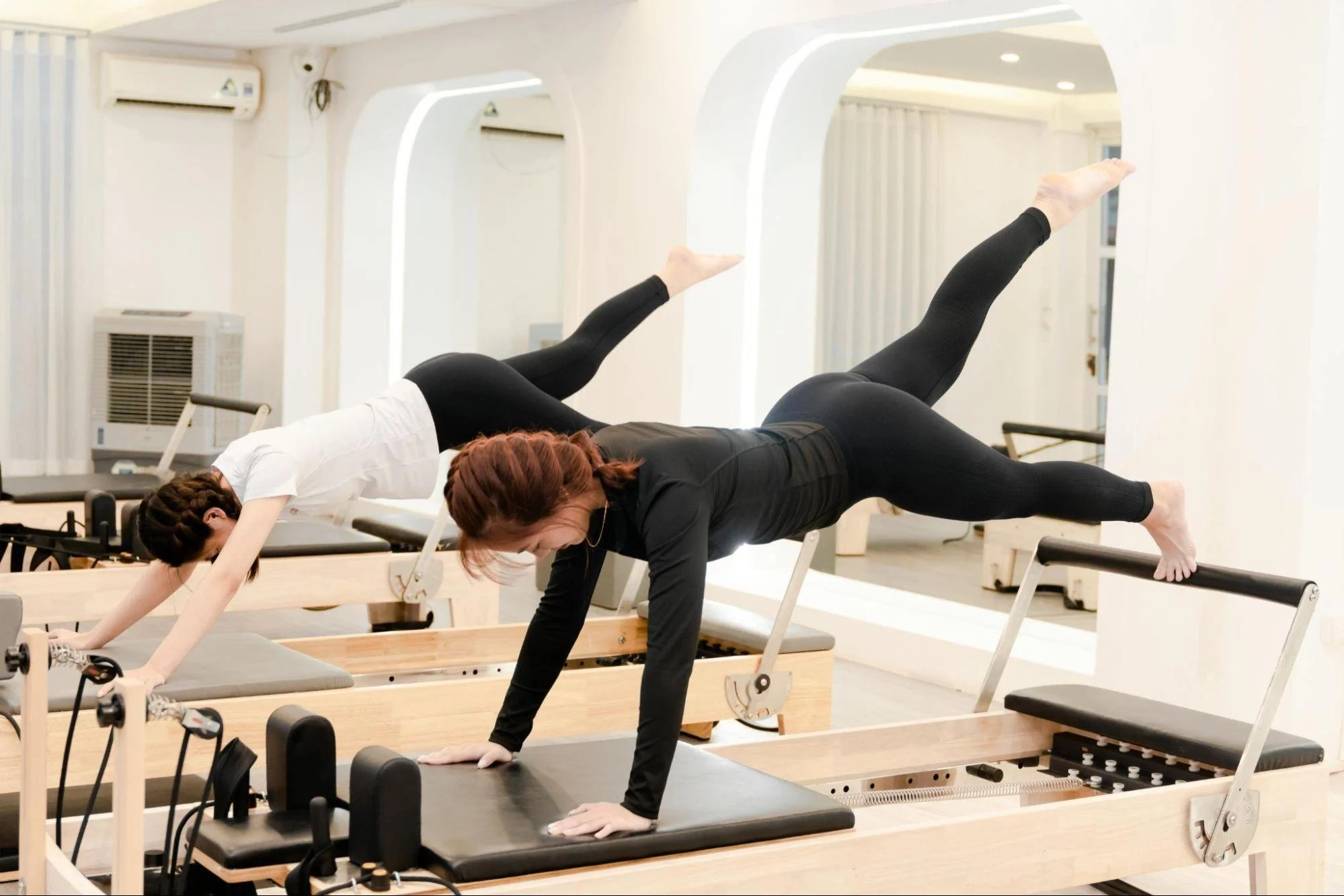
The reassuring answer is that functional changes tend to come before visible ones. Most people notice benefits in posture, ease of movement and core awareness within the first few weeks of consistent pilates practice. Visible muscle definition and strength gains typically build over two to three months. Frequency is part of the equation, but session quality, good technique and progressive challenge matter just as much.
Key Considerations for Your Pilates Schedule
Consistency outweighs intensity. Pilates is a cumulative practice. Three focused sessions a week, maintained over months, will take you further than sporadic bursts of high-volume effort. Low impact does not mean unlimited. Because Pilates is gentle on the joints, it can be practised more frequently than higher-intensity training, but pay attention to fatigue and diminishing focus, and build in rest as needed. Variety supports balanced development. Combining mat and apparatus work, or pairing Pilates with other movement modalities, reduces the risk of overworking specific patterns and supports well-rounded progress.
Build Your Practice with Breathe
Whether you are starting out, returning after a break, or ready to increase your weekly frequency, our instructors will assess how you move and recommend a weekly routine that fits your goals and your life. Breathe Pilates offer private classes, pilates for scoliosis, small group Pilates classes and more across five studios, with rehab-trained and physio instructors who understand the difference between what your body needs and what it is ready for. To get started, call us on +65 6571 0665, reach us on WhatsApp at +65 9835 5683 or send us a message.