Comparing the Industry Giants: How to Choose the Best Pilates Certification
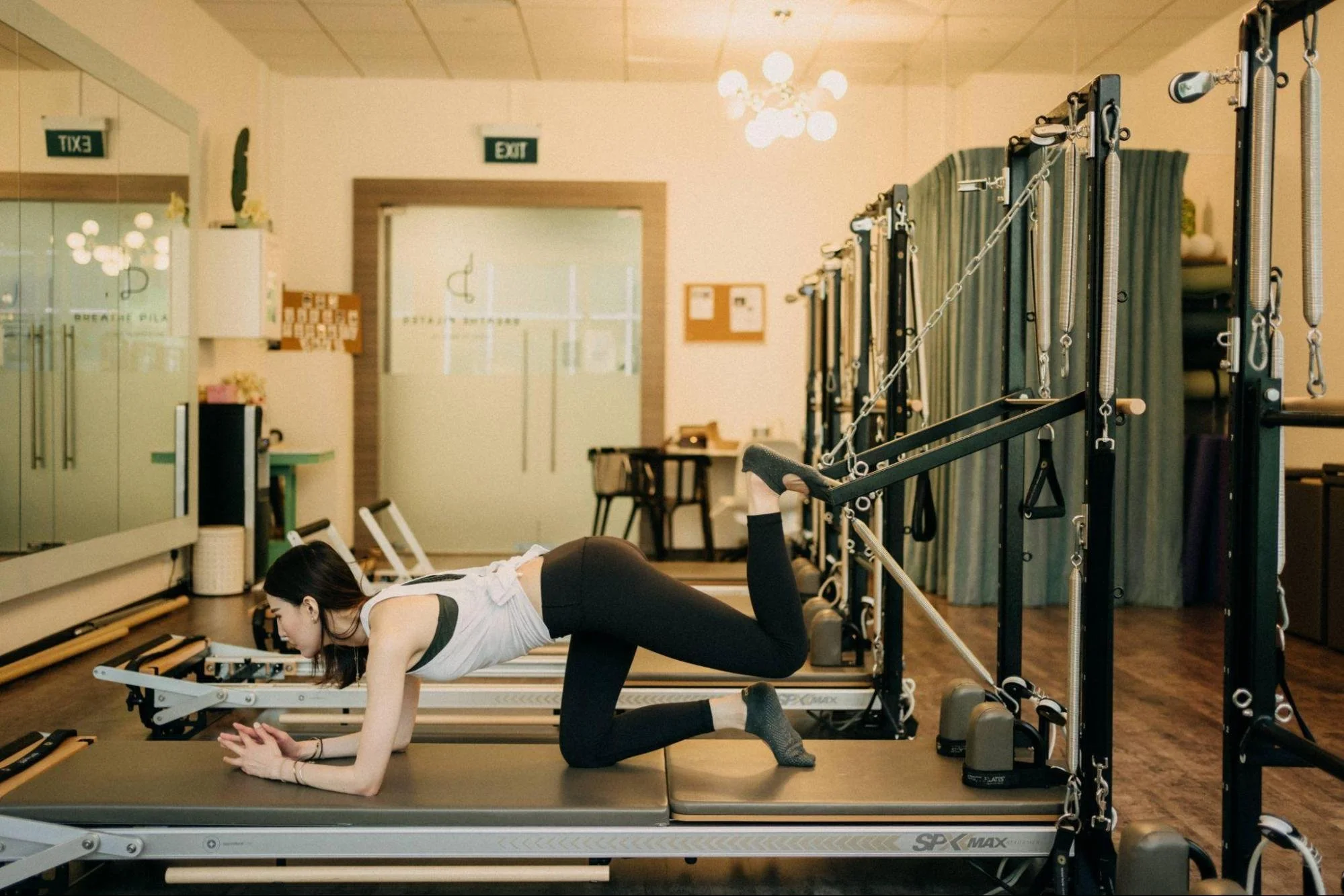
A Pilates certification does more than qualify you to teach. It shapes how you read a body, how you cue movement, and how confident you feel the first time someone with a sore back trusts you to guide them. It is also a significant investment of time and money, so the choice matters.
A recognised certification can satisfy insurance requirements, meet the hiring expectations of established studios, and give you the depth of knowledge to teach safely and confidently. The question is which path gets you there.
The closest thing to an industry benchmark is the National Pilates Certification Programme (NPCP). It is an independent credentialing body that offers a standardised, internationally recognised certification for instructors.
It began as part of the Pilates Method Alliance (PMA) and became a separate organisation in 2020. The NPCP is currently the only Pilates certification programme accredited by the National Commission for Certifying Agencies (NCCA), which adds a layer of professional credibility for instructors seeking to validate their expertise against an external standard.
Beyond that benchmark, the programmes instructors most often compare include STOTT PILATES®, Polestar Pilates, Balanced Body, and other established classical schools. The right one depends on how you want to work, whether that is in clinical recovery, boutique fitness, or a classical studio.
What Are the Most Recognised Pilates Qualifications?
If you are planning to become a Pilates instructor, the first decision is which of the two broad schools to train in.
Classical certification programmes follow the original system Joseph Pilates developed, with the same exercises, the same sequences, and the same teaching progression. Contemporary programmes build on that foundation, incorporating modern biomechanics, movement science and clinical research to adapt the method to a wider range of bodies and needs.
Understanding that difference, alongside a school's legacy, global reach and assessment standards, is what lets you compare the best Pilates certifications.
1. STOTT PILATES®
Often described as the “Ivy League” of Pilates education, STOTT PILATES® is one of the most thorough contemporary systems, grounded in modern exercise science and recovery principles.
Focus on Biomechanics: STOTT PILATES® works with the natural, neutral curves of the spine rather than the flat-back position favoured by some classical approaches, which makes it ideal for teaching modern, varied bodies.
Modular by Design: You can train in stages, beginning with Matwork and adding Reformer, Chair and more progressively, instead of committing to everything at once. That flexibility suits anyone who fits study around work.
2. Polestar Pilates
Built on a strong science and recovery background, with many of its educators trained as physiotherapists.
The Clinical Angle: Its curriculum leans towards recovery and working with a broad range of bodies, which appeals to those coming from a healthcare setting.
Critical Reasoning: Polestar teaches the why behind each movement, not only the how, so you learn to assess and adapt rather than follow a fixed script.
3. Body Control Pilates
Europe's largest professional Pilates organisation, based in London, and the first provider to be recognised against the UK's government-backed national standard for teaching Pilates.
A UK Powerhouse: With around 1,500 teaching members across more than 50 countries, its qualifications are highly regarded throughout Europe.
Detail-Oriented Teaching: It is known for breaking complex movements into small, manageable preparatory exercises, which makes it especially strong for teaching beginners and older adults.
4. Peak Pilates
A classical education delivered in a modern, systematic way.
The Classical Bridge: Peak Pilates offers a traditional grounding in the original method created by Joseph Pilates.
A Formula for Teaching: Its 5-Part Formula for Success gives every instructor a consistent cueing and teaching framework, equipping you with a step-by-step method to structure a session.
5. Balanced Body Pilates
One of the world's largest Pilates equipment manufacturers and a global leader in Pilates education, Balanced Body is known for its modular training pathway.
Global Reach & Recognition: Its courses are delivered through an international network of certified educators, making the training widely accessible and broadly recognised across the Pilates industry.
A Flexible Training Path: You can qualify just on the Reformer if you want to become a Pilates Reformer instructor, or continue with the Comprehensive certification. That lets you choose a route that fits your goals, time, and budget.
6. Authentic Pilates Education International
For those who want to learn the method as it was originally passed down, Authentic Pilates Education International is the purist choice.
A Hands-On Training Approach: The programme is delivered face-to-face with an emphasis on hands-on instruction, ensuring real-time learning of the classical Pilates method.
Apprenticeship Focus: The programme follows a structured pathway across Basic, Intermediate and Advanced levels, with around 600 logged apprenticeship hours completed under a certified trainer.
A Quick Overview of Leading Pilates Certifications
Here's how the best Pilates instructor certifications compare at a glance.
|
Programme |
Type |
Area of Focus |
Accreditation |
Length (approx.) |
Cost (approx.) |
Suitable For |
|---|---|---|---|---|---|---|
|
STOTT PILATES® |
Contemporary |
Biomechanics, neutral spine |
Hours count towards the NPCP exam |
300+ hrs comprehensive |
Varies by module |
Teachers who want a science-led, flexible path |
|
Polester Pilates |
Contemporary |
Recovery, critical reasoning |
Meets PMA/NPCP standards |
Around 500 hrs comprehensive |
Higher |
Healthcare and movement professionals |
|
Body Control Pilates |
Contemporary |
Detailed, progressive teaching |
UK Level 3 / 4 (Ofqual recognised) |
Typically takes 6-12 months |
Mid |
Those teaching beginners and older adults |
|
Peak Pilates |
Classical |
Systematic classical teaching |
Hours count towards the NPCP exam |
500 hrs comprehensive |
Varies by training centre and region |
Classical learners who want a progressive teaching system |
|
Balanced Body Pilates |
Contemporary |
Flexible, equipment-based |
Widely recognised international certification |
Varies by path |
Pay by module |
Anyone wanting a build-your-own route |
|
Authentic Pilates Education International |
Classical |
Original Romana lineage |
Classical apprenticeship lineage |
600 hrs apprenticeship |
Mid to higher |
Traditionalists committed to the original method |
Note: Figures are approximate and vary by region, intake, and year. Please confirm the latest hours and cost directly with each provider before enrolling in a Pilates instructor certification programme.
Finding the Best Pilates Certification Path That Fits You
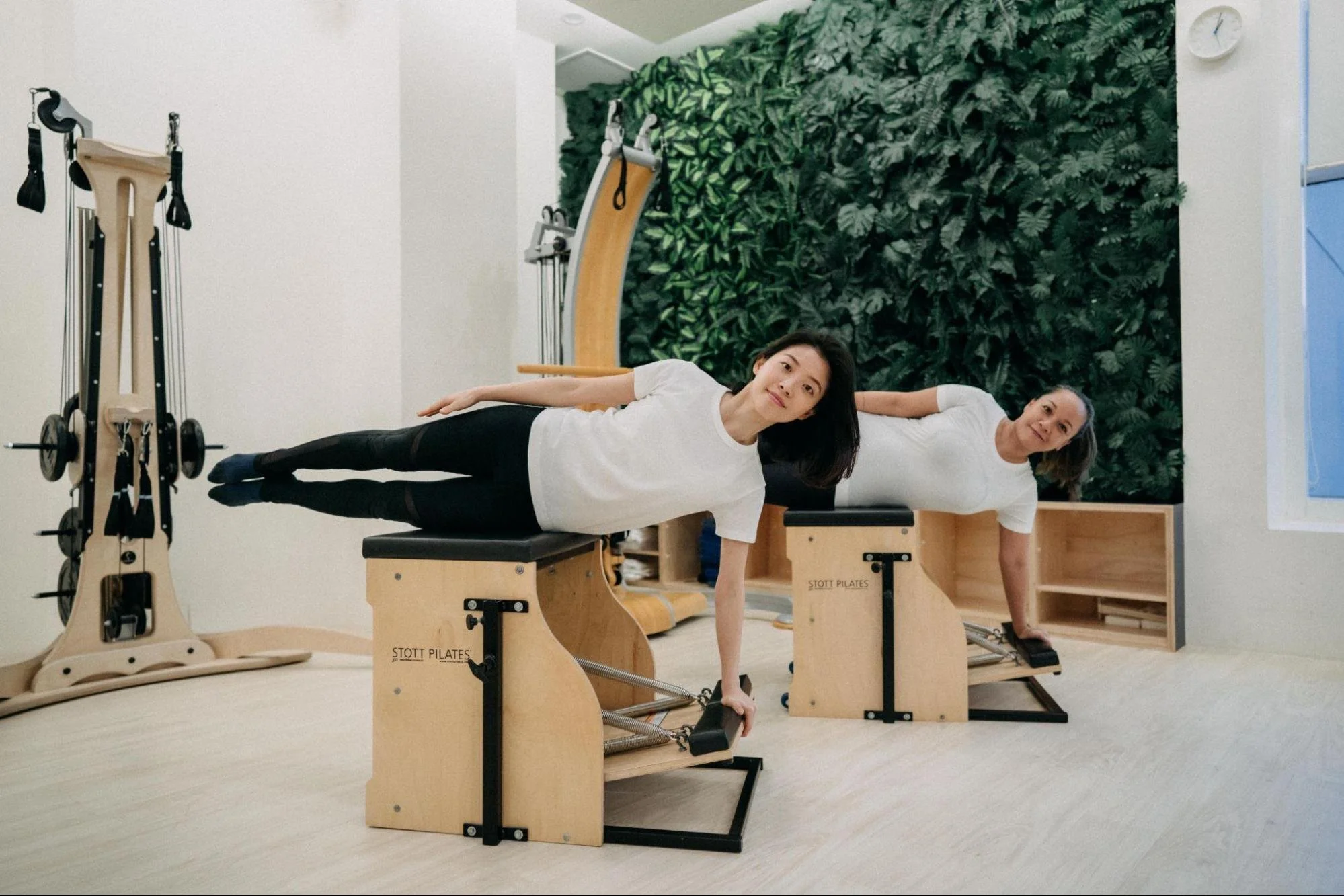
Whether your path leads toward clinical recovery, contemporary movement science, or a classical studio, each Pilates instructor course offers a distinct philosophy and teaching style. Taking a class at a Pilates studio shows you how the method feels in practice.
At Breathe Pilates, we teach the STOTT PILATES® method as a MERRITHEW™ Licensed Training Centre, with courses led by Educational Director Thicha Srivisal and Instructor Trainer Mari Tang. We also run private and group Pilates sessions designed around different goals, from building foundational strength to more personalised movement work.
If you are weighing your next step, you are welcome to explore the pathway, ask us questions or get in touch to talk it through.