Should I Eat Before Pilates Classes?
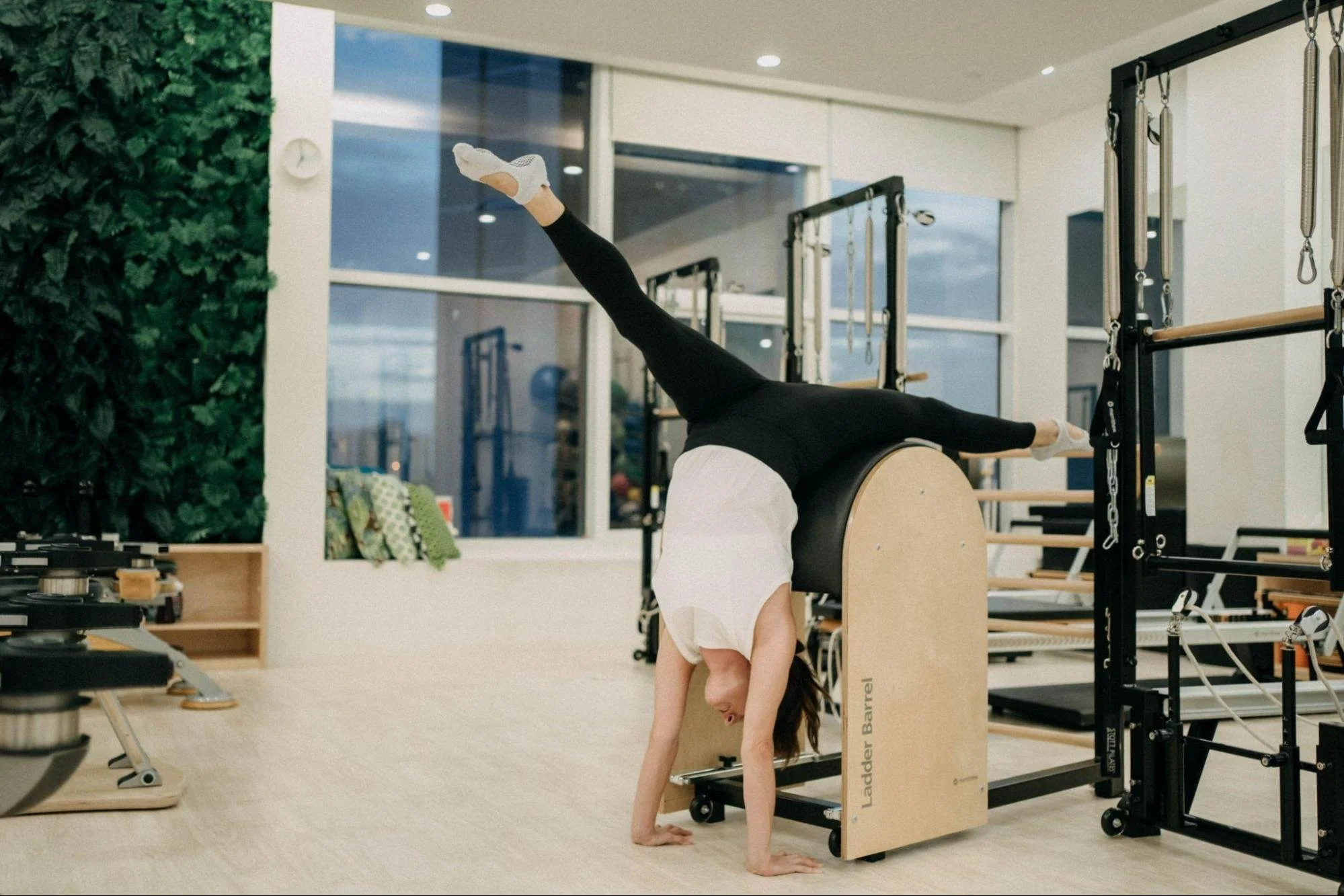
Pilates is not a session you can float through on an empty stomach: the deep core engagement, spinal articulation, and the transitions between supine and upright work all require steady energy. Arrive under-fuelled, and you might faint partway through. Practise with a full stomach, and you'll feel uncomfortable during the training.
It is easy to get this right once you understand what the session requires from your body.
How Long Before Pilates Should You Eat?
The right window depends on how much you are eating.
One to Two Hours Before: A small, balanced meal with both carbohydrates for energy and protein for muscle support. This window suits most individuals and gives the body time to digest before class begins.
Thirty to Forty-Five Minutes Before: A light snack that is low in fat and fibre. This is the right approach for a quick fuel before class. It can be an apple, hard boiled egg or some packaged nuts.
Why Nutrition Matters for Pilates
Pilates is low-impact, but it still demands focus, muscular endurance, and steady energy throughout a 50- to 60-minute session. The deep core work, in particular, requires intra-abdominal pressure to be managed with every breath, which is harder when the stomach is empty.
Practising on a full stomach makes rolling exercises and any exercise that compresses the abdominal area uncomfortable. The right pre-class fuel supports the concentration and core activation that determine how much you benefit from the session.
What Should You Eat Before Pilates?
The ideal pre-Pilates fuel combines complex carbohydrates for slow-release energy, lean protein to support the working muscles, fruit for quick-digesting carbs and a small amount of healthy fat. Avoid eating food that sits heavily in the stomach or spikes blood sugar.
You can go for:
Half a banana with a teaspoon of almond butter.
A small handful of nuts and dried fruit, such as dates.
Plain or Greek yoghurt in a small cup, drizzled with honey.
A slice of wholegrain toast with peanut butter.
Hydration matters as well. But avoid having a large glass of water right before stepping into the studio, as it can be uncomfortable during carriage work and spring-loaded movements.
What to Avoid Before Pilates
A Pilates session takes you through a range of positions that make a poorly chosen pre-class meal very apparent: rolling through the spine, lying prone on the Long Box, inverting on the Cadillac, and twisting through a standing series all expose how the digestive system is doing in real time.
Heavy, oversized meals that leave you sluggish and make deep core engagement difficult.
Greasy or fried foods, which digest slowly and often cause discomfort during forward folds or inversions.
Large amounts of dairy, which can trigger bloating, particularly for anyone mildly lactose-sensitive.
High-fibre or gas-producing vegetables such as broccoli, cabbage, beans and lentils can cause indigestion during twisting and abdominal work.
Sugary foods or drinks, which spike energy briefly, then leave you flat halfway through class.
Train Well, Fuel Well at Breathe Pilates
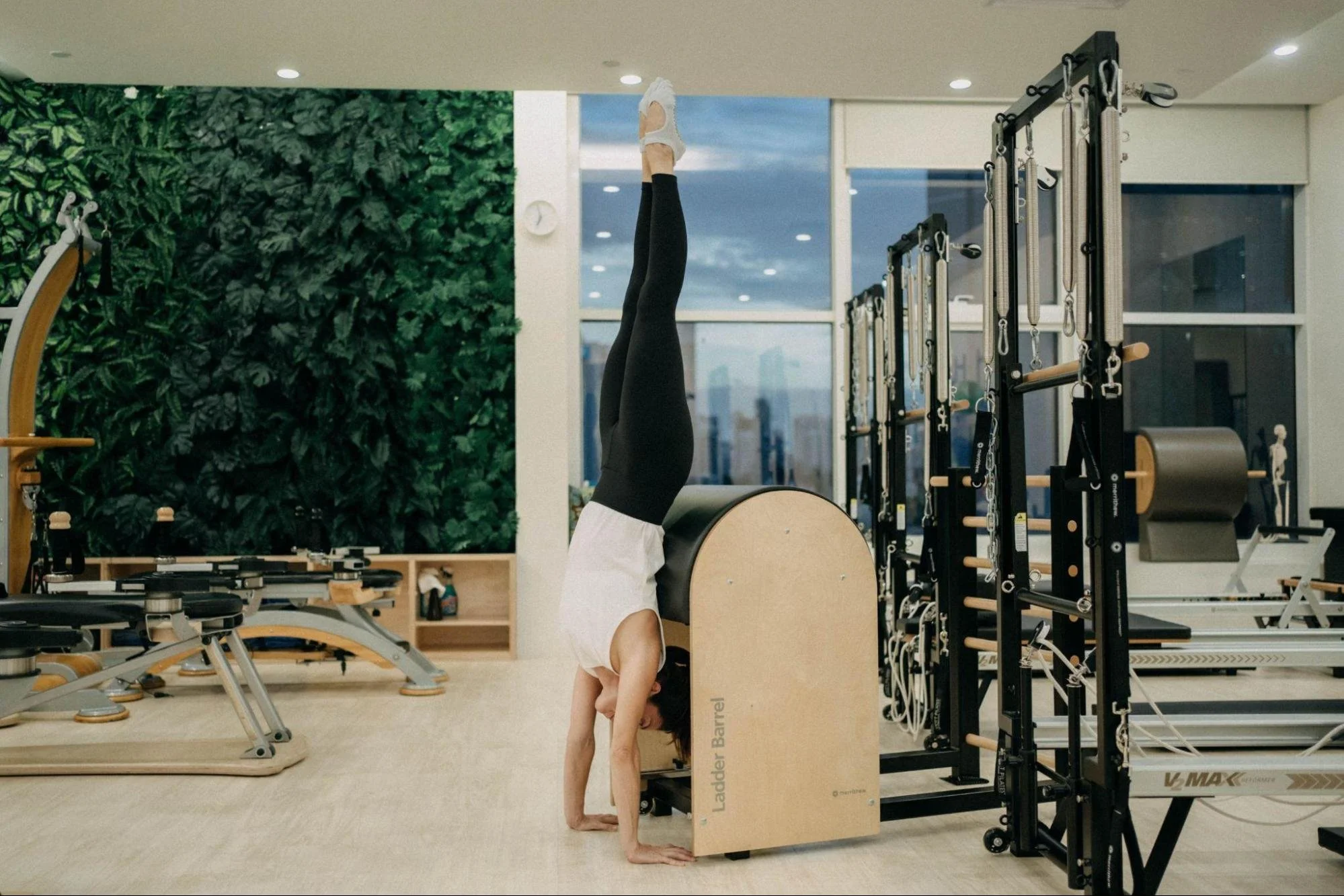
To get the most out of Pilates, what you eat before attending a class matters as much as the effort you put into the session itself. Paying attention to detail makes a big difference in building lasting strength instead of just going through the motions.
At Breathe Pilates, we help practitioners look at the bigger picture. Our instructors are trained in rehab, and many are physiotherapists. We can guide you on how often to train, how intense your exercise should be, and how to develop a Pilates class that fits your lifestyle. Our five studios offer private sessions and small group classes. You can choose between them based on your training style and what you want from each sequence.
If you are ready to bring the same care to your fuel that you bring to your form, try a session at our Pilates studio or get in touch with us on WhatsApp at +65 9835 5683.