Redefining the Golden Years with Pilates for Seniors
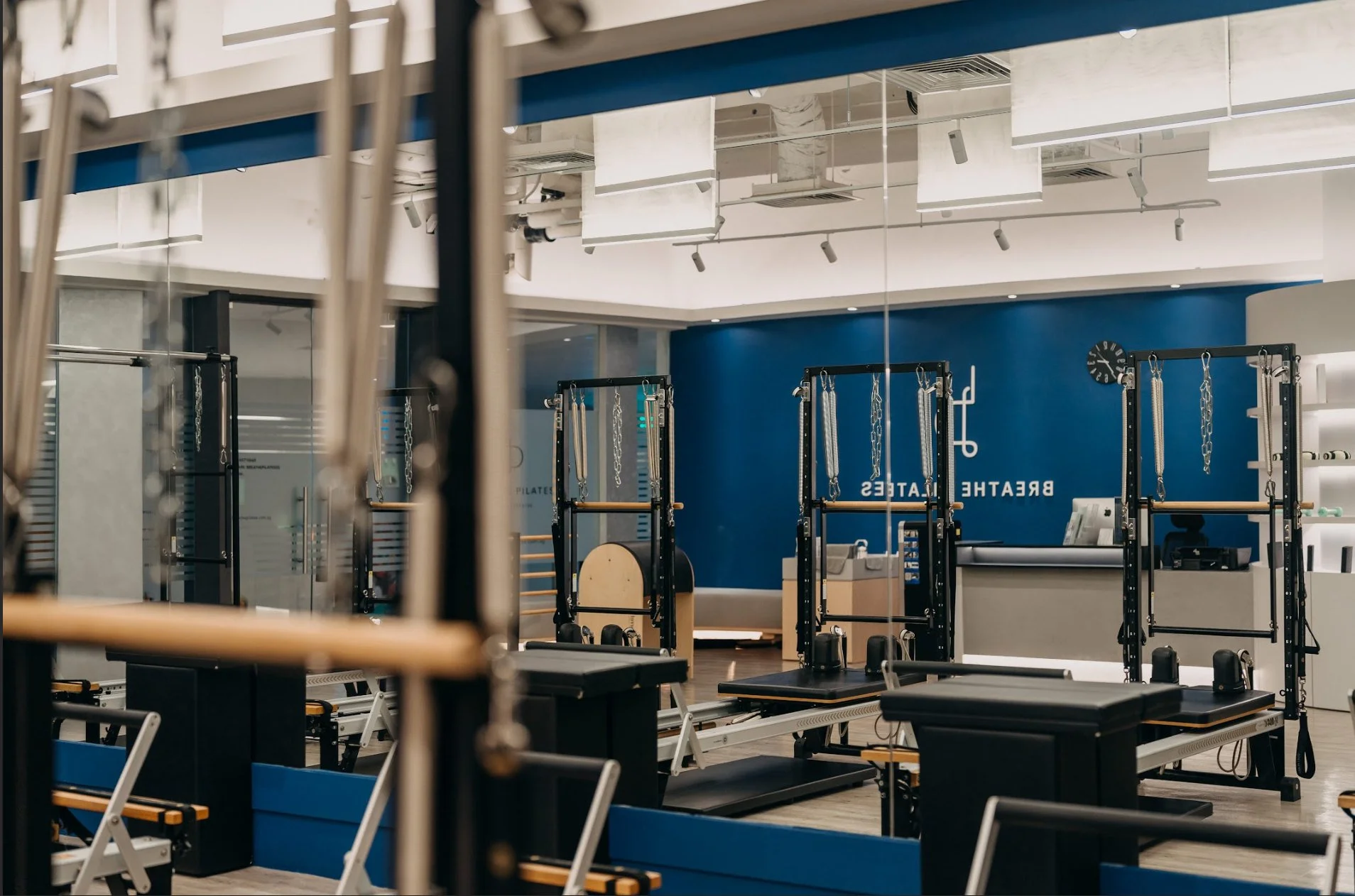
Do you wonder whether you have left it too late to start Pilates? Do you worry that a class might be too much for your knees, your hips or your back? These are the questions we hear most from people in their sixties and seventies, and the honest answer is that age is far less of a barrier than most people expect. Getting up easily from the floor, lifting a grandchild, carrying the groceries, travelling without a second thought, none of it is about how old you are. It is about how well you move.
At Breathe, we believe everyone is entitled to freedom of movement, and that the right movement, taught well, changes how you live.
Pilates is the clearest example of this.
It adapts to the person doing it, which makes it a true lifelong practice. The goal is not a personal best or a particular shape. It is functional independence: the strength and control to keep doing the things that make life yours, for as long as possible.
Is Pilates Suitable for Seniors?
Pilates is well-suited to later life, and its history explains why.
Joseph Pilates developed much of his method during the First World War, while working in a camp hospital and moving injured, bedridden soldiers to help them regain strength. From the start, it was designed for bodies that were weak and recovering.
That same adaptability still defines it. The same exercise can be performed lying on a mat, seated on a chair, or supported by the springs of a Reformer, so the work can be matched to your mobility and adjusted as you progress.
A few people do need extra care from the outset, though. If you have osteoporosis or a hip or knee replacement, speak with your doctor before you start. This is because some movements, forward bending of the spine in particular, can raise the risk of a fracture when bones are fragile, so a qualified instructor who knows which exercises to adjust can make a real difference.
Benefits of Pilates for Seniors
As we age, the deep stabilising muscles around the trunk and pelvis tend to weaken. These are exactly the muscles that Pilates works directly, through slow, controlled movement.
This matters for one reason in particular.
Falls are a leading cause of injury among older adults, and around one in two people over 80 has a fall each year. When those deep muscles are strong, your body can quickly correct a loss of balance.
1. Low Impact
Pilates is often performed lying down, seated, or supported by springs, so it sends very little impact through the knees, hips and spine. This allows you to build strength without the pounding that running or jumping causes. Where high-impact cardio or heavy weights can aggravate tender joints, Pilates challenges the muscles through slow, controlled movement, without the strain.
2. Improves Core Strength and Stability
Pilates centres on what Joseph Pilates called the powerhouse: the muscles of the abdominals, deep back muscles and pelvic floor that underpin almost every movement your body makes and almost every exercise in the method.
A strong centre is closely tied to steady balance, because when your core stabilises quickly, it corrects a wobble. The evidence backs this up. Reviews of older adults practising Pilates report clear improvements in balance and strength, two of the largest factors in staying steady on your feet.
3. Enhances Flexibility and Mobility
Flexibility is how far a muscle can lengthen, and mobility is how freely and well a joint moves through its range. For seniors, both tend to narrow steadily, and Pilates is good for both. The payoff shows up in ordinary moments: reaching a high shelf, fastening a button behind your back, bending to tie your shoelaces without strain.
4. Supports Better Posture and Alignment
With age, and the steady pull of gravity, the upper back tends to round and the shoulders draw forward. Pilates strengthens the muscles that hold you upright while working to lengthen the spine and open the chest, gradually easing the forward rounding through the upper back. The longer you practise, the less effort good posture requires.
Safety Considerations
Pilates is one of the safest forms of exercise for older women and men, and a few simple checks keep it that way.
Choose a qualified instructor: Look for a Pilates studio whose instructors are properly certified and experienced with a range of ages and life stages, so they can assess how you move and adapt each exercise to you. That tailoring is what separates safe, effective movement from a one-size-fits-all group class.
Let your body set the pace: Movement should challenge you, never hurt you. If a certain layer of a flow causes pain, stop or modify it. Good instruction always offers an easier path, never a forced one.
Start with the right format: If getting down to and up from the floor is hard, mat work may not be the best place to begin. Reformer Pilates keeps you supported and off the ground, which often makes it a more accessible way to start.
It Is Never Too Late to Start
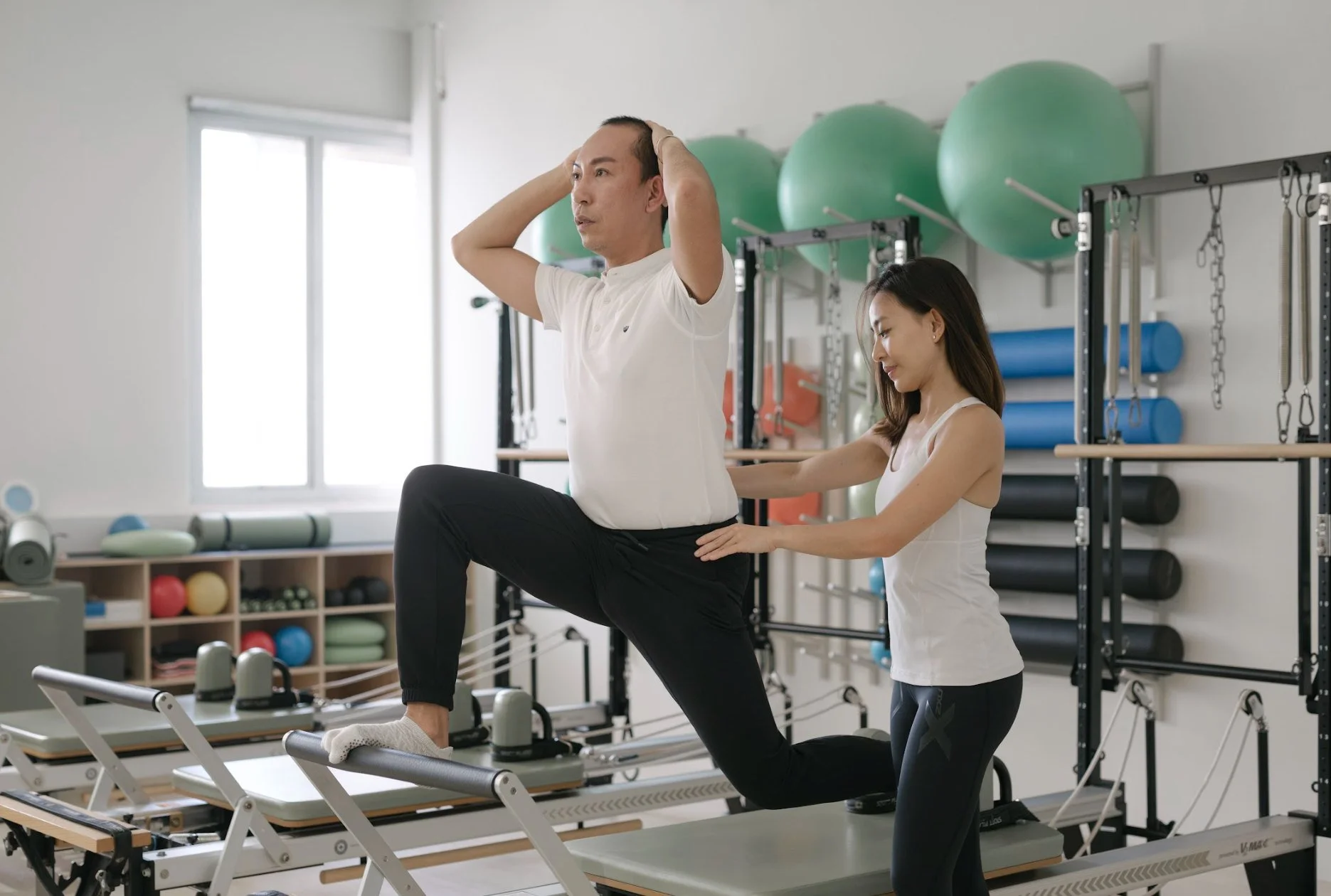
Whether you are in your fifties and planning ahead, or in your seventies and keen to stay strong and independent, programmes can be shaped around you. The aim is simple: more strength, steadier balance, and the freedom to keep doing what you love for years to come.
At our Pilates studio, we tailor movement to every stage of life, from prenatal Pilates through to sessions focused on strength and mobility in later years. To find out what suits you, come in for a class or get in touch, and we will help you find the right starting point. The years ahead can be active, strong and entirely your own.