Is Pilates Good for a Herniated Disc? What You Need to Know
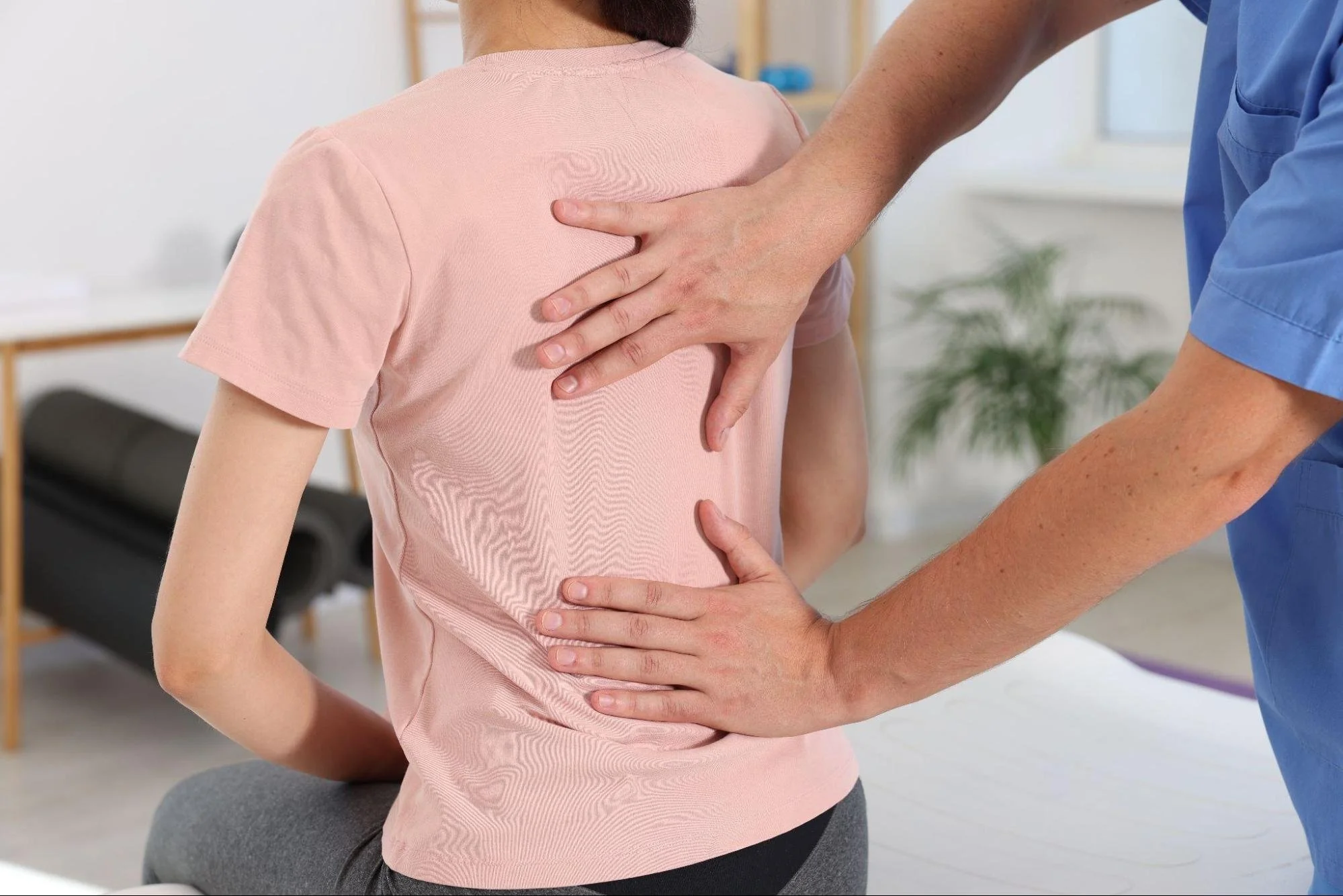
Living with a herniated disc often means that your relationship with movement has changed. The instinct to rest completely is understandable. The pain and the fear of aggravating it can make any form of exercise feel like a risk. But the evidence points in a consistent direction. Carefully controlled movement, particularly the kind that targets the deep muscles supporting the spine, tends to support recovery far more than rest alone.
Pilates, when delivered by a clinically trained instructor, is one of the more effective approaches for managing disc-related discomfort and rebuilding confidence in movement.
How Pilates Can Support Individuals with Herniated Discs
The deep muscles surrounding the spine, particularly the multifidus and transversus abdominis, play a central role in protecting the discs from load and shear forces. When these muscles are weak or poorly coordinated, the disc absorbs more of the strain that movement and daily activity place on the spine. Clinical Pilates addresses this directly, using precise, controlled exercise to activate and strengthen these stabilisers, decompress the spine, and gradually reduce the load on the affected disc.
The distinction between fitness Pilates and clinical Pilates matters here. A general group class may include movements that are contraindicated for disc-related concerns, and an instructor without clinical training may not be equipped to modify or assess appropriately. A programme designed around your specific presentation, by an instructor trained in movement assessment and rehabilitation, is a different proposition entirely. Outcomes also depend on the severity of the herniation, which is why a proper assessment before beginning any programme is essential.
Pilates Exercises to Avoid With a Bulging or Herniated Disc
Certain movement categories tend to increase intradiscal pressure and are typically best avoided in the early stages of recovery. Deep forward flexion, such as full roll-downs or toe touches, places a significant load on the posterior disc and can aggravate discomfort. Aggressive spinal rotation under load and high-impact transitions that compress or jolt the spine fall into the same category.
This does not mean these movements are permanently off the table. It just means they are best deferred until adequate core stability and pain management have been established. What is appropriate also varies considerably from person to person. A clinically trained instructor can assess how you move and what your spine can currently tolerate before designing a programme, rather than applying a blanket approach that may not suit your particular presentation.
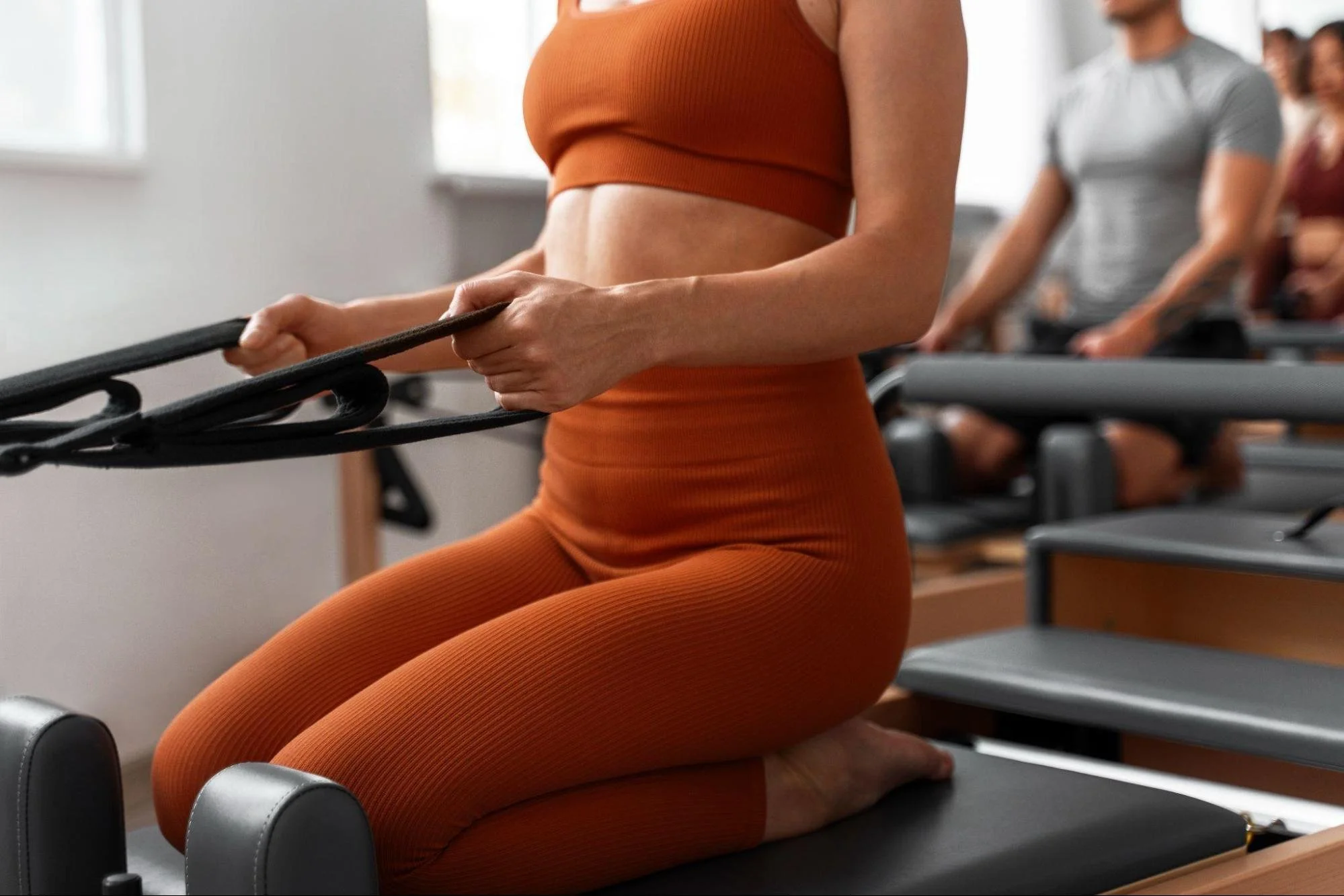
Safe Pilates Exercises for a Bulging Disc and What to Look For
Movement types that are generally well tolerated and beneficial include:
Gentle spinal articulation
Supported extension work
Deep core activation
Hip stabilisation exercises
These progressively build the muscular support system around the spine, without placing undue load on the disc itself. Supported extension in particular can help centralise disc-related discomfort for many people, though this varies and should always be guided by a trained eye.
For anyone managing a herniated or bulging disc, a private Pilates class is the appropriate starting point. At Breathe Pilates, our clinical instructors assess your movement patterns before programming begins, and adjust the work as you progress. Sessions are built around your presentation and goals, not a fixed template, which is what disc-related rehabilitation genuinely requires. Our instructors include physiotherapists and rehab-trained practitioners who understand the mechanics of the spine and the difference between discomfort that signals progress and discomfort that signals caution.
The Right Movement Changes the Outcome
Pilates will not be the right fit for every stage of every disc presentation, but for many people, it becomes a meaningful part of managing discomfort and rebuilding a body that moves with more ease and resilience. The key is starting with the right guidance in the right environment.
If you are living with a herniated or bulging disc and want to understand what a tailored programme might look like for you, speak to our Pilates studio. Call us on +65 6571 0665, reach us on WhatsApp at +65 9835 5683, or send us a message, and we will help you find the right place to begin.