Pilates vs Strength Training: Which Is Right for You?
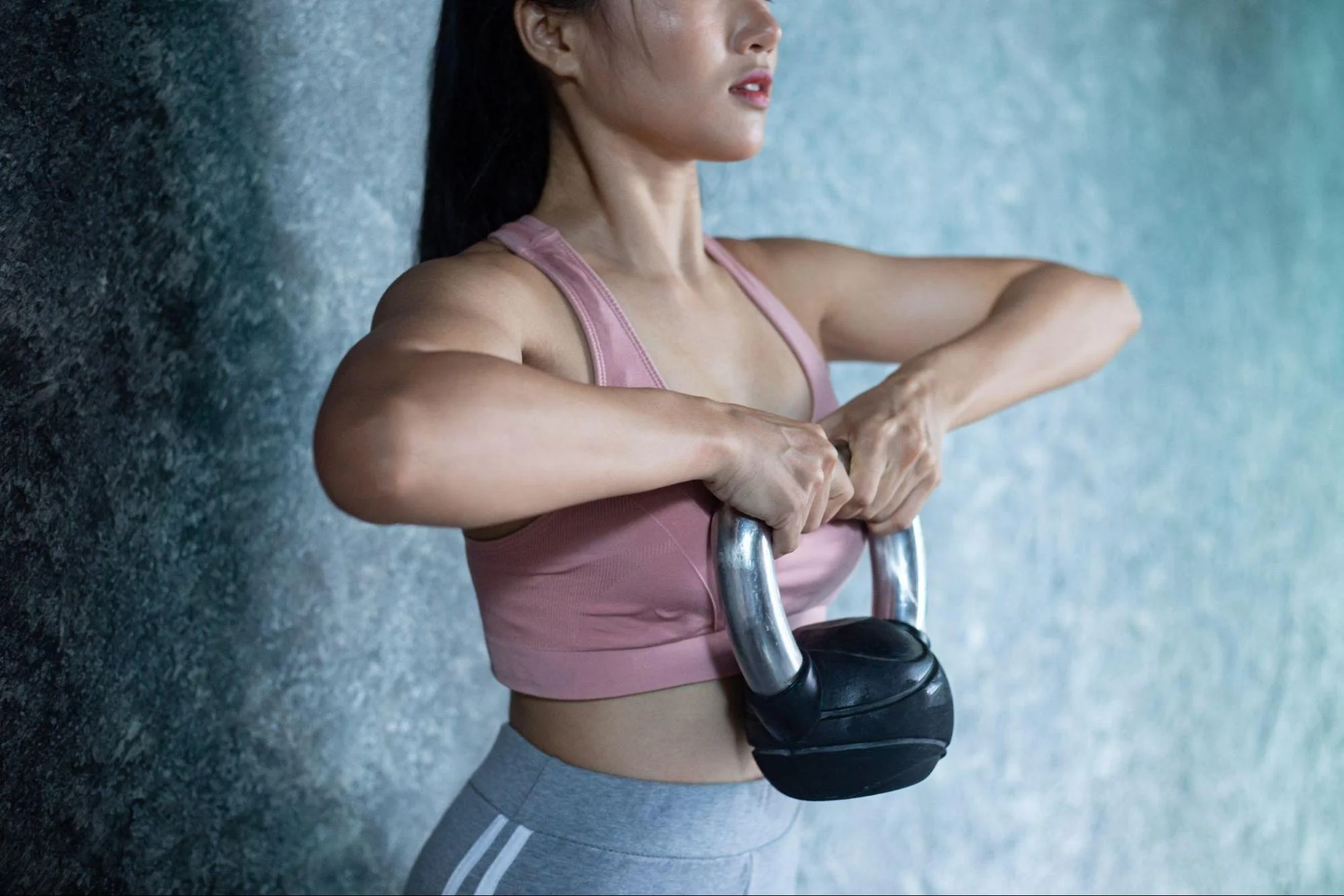
Are you trying to decide between Pilates and weight training? Do you find yourself wondering whether one is more effective than the other, or whether you even need to choose? These are questions we hear regularly, and the answer is more practical than most fitness content suggests.
Both approaches build genuine strength, and both deliver real results. Where they differ is in how they train the body, what kind of results they produce, and who each suits best.
Is Pilates Strength Training?
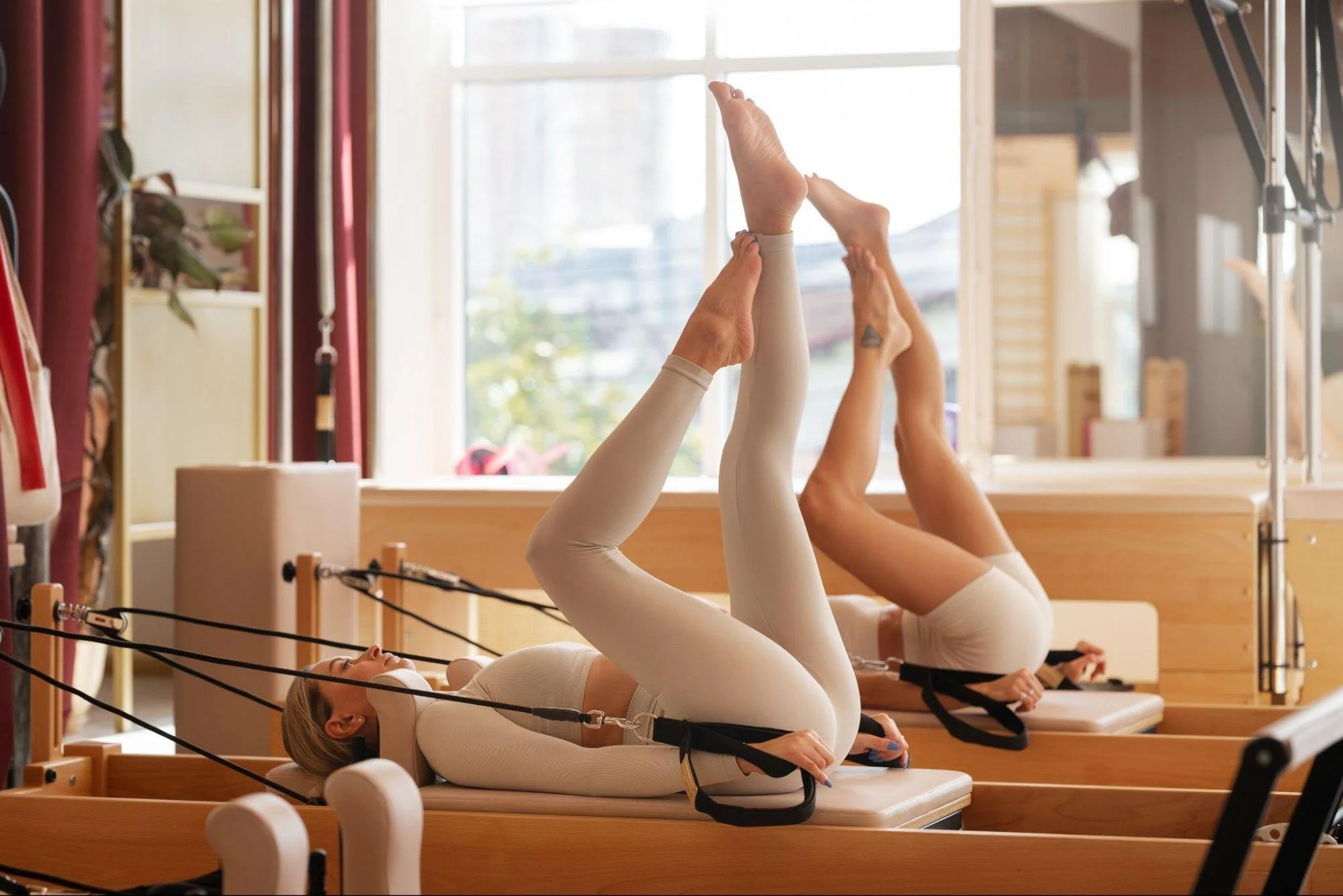
Pilates does build strength, but it works differently from conventional weight training. Rather than applying progressive external load to increase muscle size and raw power, Pilates develops muscular endurance, stability, and functional strength through controlled movement using bodyweight or light resistance from apparatus such as ankle weights, the reformer or the chair. The muscles you develop through Pilates are trained to work together with precision, supporting the joints and spine across a full range of motion.
That distinction matters when you are choosing a method aligned with what you actually want from your training.
What Pilates and Weight Training Each Do Well
One of the clearest ways to weigh up the benefits of Pilates vs weight training debate is to look at what each does particularly well. Pilates centres on core strength, spinal alignment, flexibility, and the kind of muscular endurance that carries over into everyday movement. Because the work is low-impact and fully adjustable, it suits a wide range of bodies and fitness levels, and the deliberate, controlled nature of the exercises builds a strong mind-muscle connection over time. For women managing postural concerns, joint discomfort, or the physical demands of an active life, these qualities make it a particularly well-suited foundation.
Weight training, by contrast, targets hypertrophy (the process by which muscles increase in size and strength) and bone density through progressive overload, gradually increasing the load on the muscles to stimulate adaptation. It is the more direct route to increasing muscle mass, improving resting metabolic rate, and building the kind of raw strength that is measurable and scalable.
Key Differences Worth Knowing
The most practical differences come down to impact, muscle type, and safety profile. Pilates is lower-impact, which makes it accessible to people managing discomfort, returning from injury, or simply wanting a sustainable, long-term training method.
Weight training, at higher loads, places greater demand on the joints and carries a higher risk of strain without proper programming and technique.
The difference also shows in the body each tends to produce. A Pilates body tends to reflect the priorities it teaches, resulting in lean, toned, endurance-oriented muscle, vs strength training, which produces greater volume and bulk depending on load and frequency. Neither outcome is better; they reflect different goals.
So Which Should You Choose?
If your priorities are core strength, improved posture, mobility, or managing physical discomfort, Pilates is a strong place to begin. If your goals lean towards maximising muscle mass, building absolute strength, or improving bone density, weight training is the more direct path.
The more useful question, though, is whether you need to choose at all. The two approaches complement each other well. Pilates builds the stability and mobility that support safer, more effective lifting, and weight training builds the raw strength that allows you to progress further in your Pilates practice. Many train both, and the results tend to reflect it.
Ready to Experience Pilates for Yourself?
At Breathe Pilates, our instructors are internationally certified and rehab-trained, several holding physiotherapy qualifications, so every session is grounded in a genuine understanding of how the body moves. Our Pilates classes are kept deliberately small, so your instructor can observe, adjust, and progress your technique from session to session. If you prefer one-to-one attention, a private Pilates class gives you a fully tailored programme built around your specific goals and body.
If you are ready to find out what well-taught Pilates actually feels like, come and try a class or get in touch with us by telephone on +65 6571 0665, on WhatsApp at +65 9835 5683, or send us a message.