Is Pilates Good for Menopause? Benefits, Stages and What to Expect
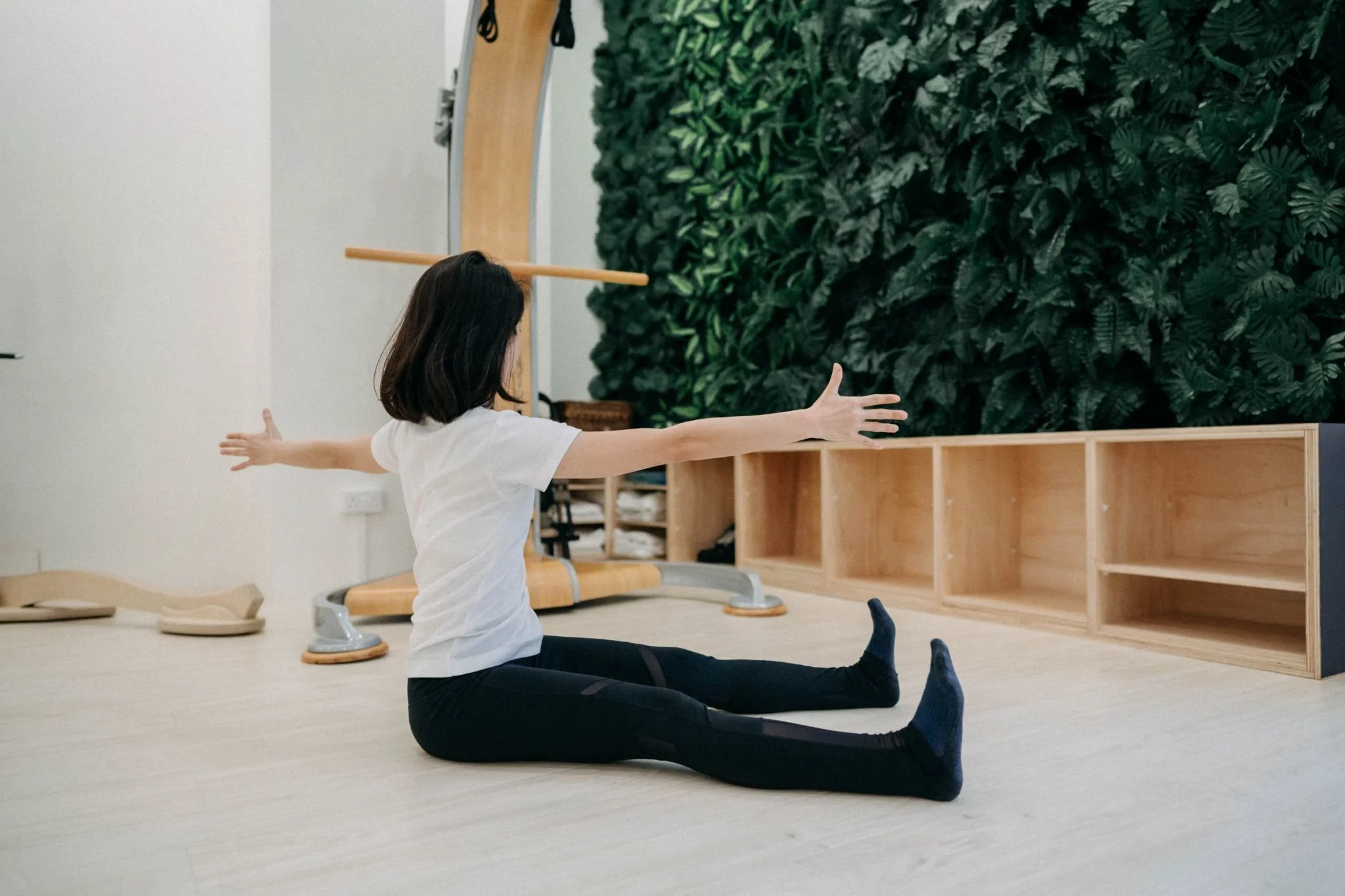
The answer is yes, and for reasons that go beyond general fitness. Pilates for menopause addresses the specific physiological changes the transition brings: bone density loss, declining muscle mass, pelvic floor weakening, and the postural shifts that accumulate as hormone levels fluctuate. Whether you are perimenopausal and noticing the first signs, or you are postmenopausal and want to maintain strength for the long term, pilates can be calibrated to your current stage and adjusted with your body as it changes.
What Happens to Your Body During Menopause
As oestrogen declines, bone density drops, muscle mass reduces, and fat tends to redistribute toward the abdomen. Joints can stiffen, sleep becomes disrupted, mood fluctuates, and the pelvic floor tissues gradually lose some of the support they used to have. These changes are driven by hormonal shifts rather than lifestyle choices, which is why lifestyle adjustments alone rarely address them fully.
What does help is consistent, well-calibrated movement. Pilates works the specific systems oestrogen decline affects: bone loading, muscular strength, pelvic floor function, and the nervous system. regulation. That specificity is what makes it particularly well-suited to this stage of life.
Benefits of Pilates During Menopause
Each of the changes described above has a direct counterpart in what consistent Pilates practice addresses.
Supports Bone Density: Pilates involves controlled, weight-bearing and resistive movements that place measured stress on bones. This kind of mechanical loading is what the bones need to maintain and rebuild density. Equipment like the Reformer, Cadillac and Chair allows resistance to be scaled precisely, so the work is always appropriate for you.
Builds and Maintains Muscle Mass: Muscle growth requires sufficient challenge and good technique. Pilates on apparatus provides both: the springs and straps of the Reformer and Cadillac create resistance across a full range of motion, while the method's precision focus ensures the right muscles are actually activated, doing the work rather than compensation patterns taking over.
Addresses MenopauseBelly: Pilates emphasises the deep core stabilisers: the transversus abdominis, the multifidus and the pelvic floor. Rebuilding the function of these deeper layers creates a stronger midsection and improves posture, both of which counter the tendency toward abdominal softening.
Pelvic Floor Health: As oestrogen declines, pelvic floor tissues can weaken, contributing to urinary leakage and pelvic discomfort. Pilates is built around pelvic floor engagement and release as a foundational principle of every session, which means the neuromuscular awareness and strength these muscles need are being reinforced consistently, in a way that most other exercise formats do not address.
Eases Joint Pain and Stiffness: Oestrogen has an anti-inflammatory effect, and its decline can leave joints feeling stiffer and more easily aggravated. Low-impact movement, done consistently, keeps joints mobile and the surrounding soft tissues supple without loading them beyond what they can comfortably handle. The adjustability of Pilates equipment means you can keep working even when a particular area is flaring, by modifying range, spring tension, or position as needed.
Supports Mood, Sleep, and Mental Clarity: Physical activity stimulates the production of serotonin and dopamine and reduces cortisol levels, all of which are disrupted during the menopausal transition. A study published in the Journal of Exercise Rehabilitation found that eight weeks of Pilates training led to measurable improvements in menopausal symptoms, including psychological well-being and sleep quality.
Reduces Hot Flush Severity: Regular exercise improves the body's thermoregulatory control, which helps reduce the frequency and intensity of hot flushes. Pilates, with its emphasis on breath and the parasympathetic nervous system, supports a regulated physiological state that makes the body less reactive to temperature spikes.
Is Pilates or Yoga Better for Menopause?
One of the most common comparisons made is between Pilates and yoga, and it is a fair one. Both are low-impact practices with genuine value, and the right answer depends on what you are trying to address.
Yoga concentrates on flexibility, breathwork, held postures and stillness, and research supports its role in reducing stress. Pilates concentrates on core strength, precise alignment and controlled resistance, often using specialised equipment.
For the specific concerns of menopause, particularly bone density loss, muscle mass decline, central weight gain and pelvic floor weakness, Pilates addresses these mechanisms more directly. Yoga's primary emphasis on flexibility and balance means it does not provide the same resistive and weight-bearing stimulus that these physiological changes require.
If structured strength alongside mobility is the priority, and if the physical changes of menopause are a primary concern, pilates for menopause is the stronger starting point.
Pilates Through Each Stage of Menopause
The transition spans a long time, and what your body needs at each stage shifts.
Perimenopause (typically mid-40s, up to 14 years): Hormones are fluctuating, which means energy and recovery can vary considerably. This is an ideal time to establish a consistent practice, building strength foundations and pelvic floor awareness before the more significant hormonal shifts ahead. Starting early means you enter the next stage with reserves in place.
Menopause (12 months after the last period): Bone loss accelerates during this stage, and resistance training becomes especially important. The Reformer is particularly well-suited here because its spring-loaded resistance provides controlled mechanical loading of the skeleton, enough to stimulate bone remodelling without the impact stress of running or weight training. Sessions can be adjusted on any given day to accommodate energy levels or joint comfort.
Postmenopause: The focus shifts toward maintaining the muscle and bone density already built, and balance and stability work gains greater importance as the risk of falls and fractures increases with age. Women who have stayed consistent through the earlier stages tend to find this phase the most rewarding, because the strength and body awareness they have developed become part of how they move through everyday life.
Tips for Getting the Most from Pilates in Menopause
Aim for Two to Three Sessions Per Week: Research consistently points to this frequency as the threshold at which improvements in menopausal symptoms and overall strength occur. One session a week maintains what you have; two to three builds on it.
Pair Pilates with Moderate Cardiovascular Exercise: Pilates addresses strength, posture and pelvic floor health in depth, but cardiovascular fitness and metabolic health also benefit from aerobic work. A combination of three Pilates sessions and two moderate cardio sessions per week gives the most complete coverage of the physiological changes menopause brings.
Tell Your Instructor Where You Are in Your Transition: Informing your instructor whether you are perimenopausal, menopausal, or postmenopausal, and what specific concerns you are managing, allows your instructor to adapt programming to your energy levels, pelvic floor status, and any joint considerations. This is important in personal training, where sessions are built entirely around you.
Consistency Over Intensity: Showing up regularly at a manageable level will take you further than sporadic high-intensity sessions. Menopause already places additional demands on the body's recovery capacity, so training that respects that rhythm builds more sustainably than pushing past it.
Start Your Practice at Breathe Pilates
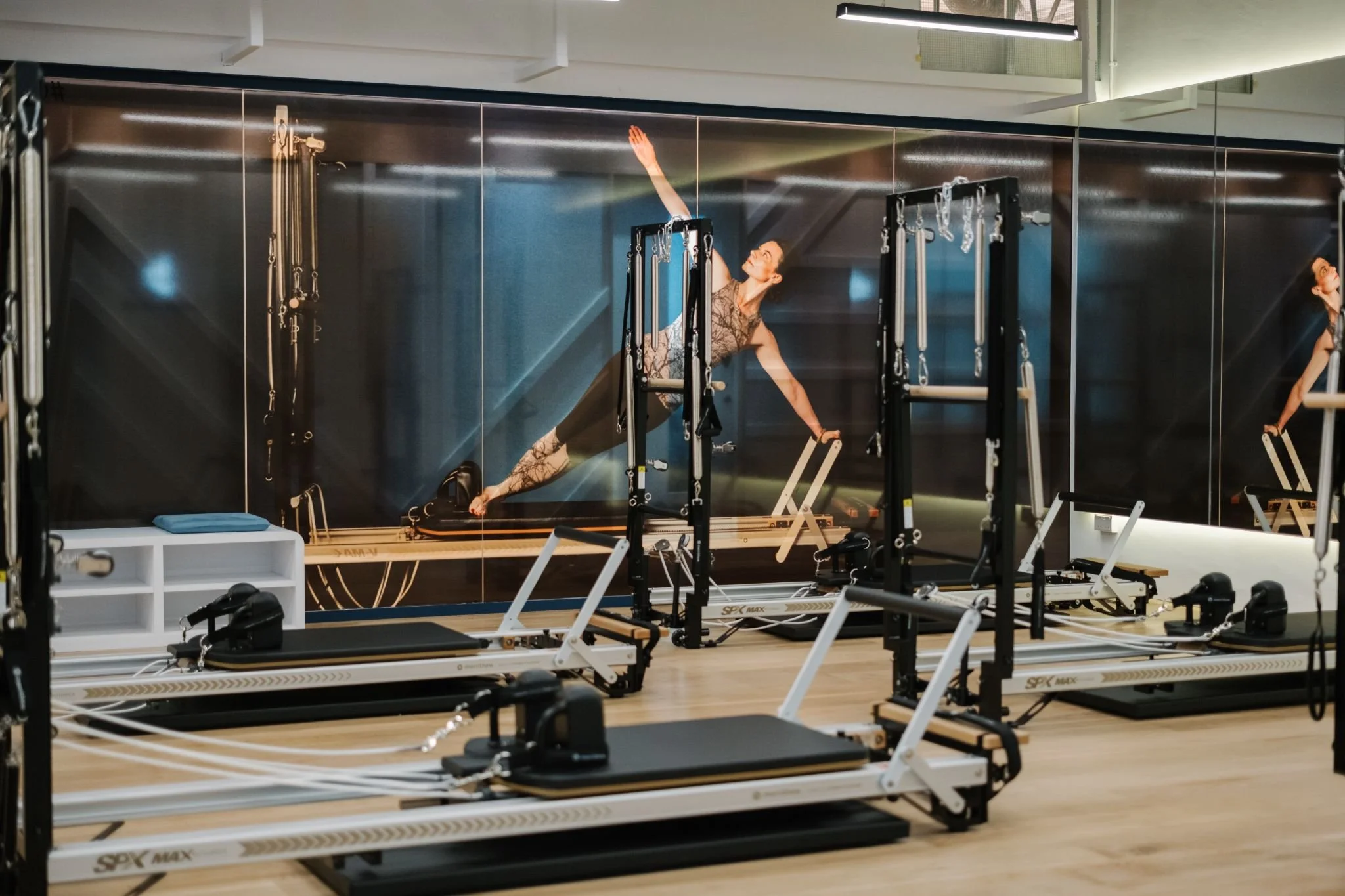
At Breathe Pilates, our instructors are STOTT PILATES® certified and several hold physiotherapy qualifications, bringing both technical rigour and clinical understanding to every session. As a MERRITHEW™ Licensed Training Centre, our approach is evidence-informed, carefully progressive and built around the individual in front of us.
For women navigating menopause, we offer small-group pilates classes capped at a low number of participants, and pilates personal training for those who want a programme built entirely around their goals and their stage in the transition. Across our five studios, our instructors assess your movement before tailoring every session to your body's needs.
If you are ready to start, or you have questions about which format suits you best, reach out via WhatsApp at +65 9835 5683 or send us a message. We are happy to help you find the right place to begin.