Do You Have to Be Flexible to Do Pilates?
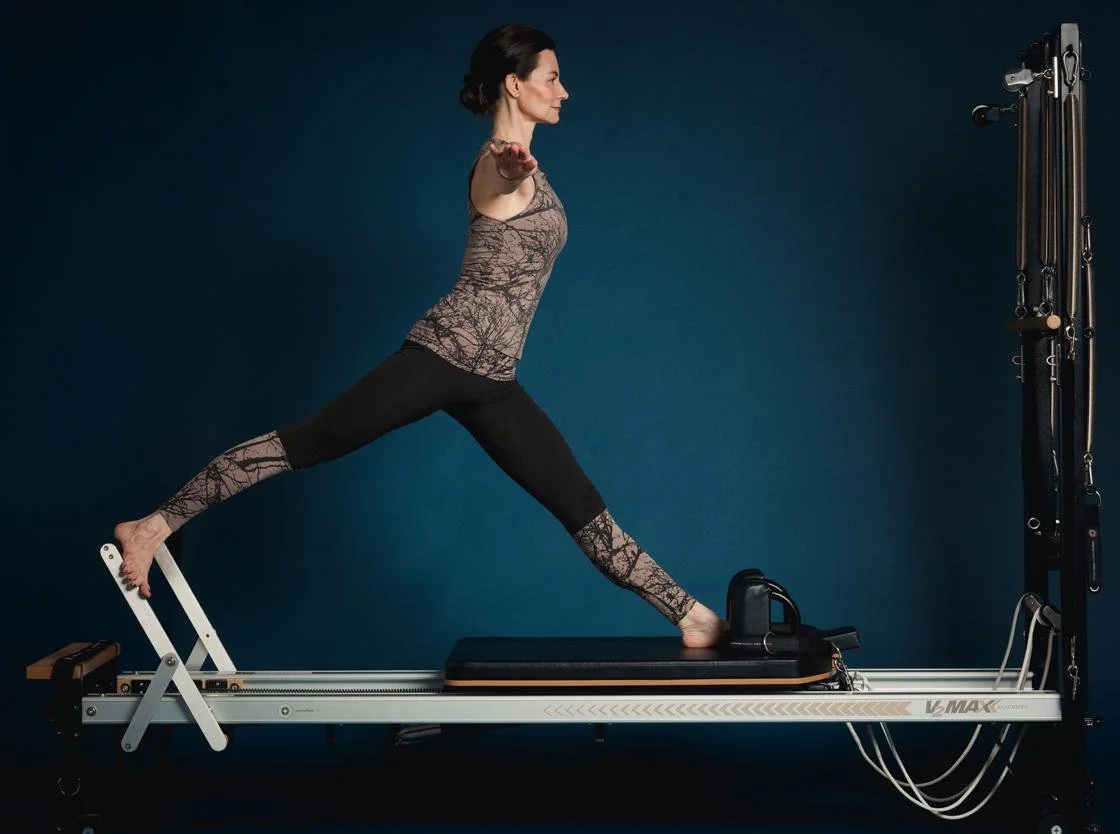
Do you find yourself watching Pilates videos and assuming that your body does not fit into that world? Do you find that after years at a desk, or a long stretch away from exercise, your range feels so limited that a Reformer class seems like the wrong place to start?
The reassuring news is that flexibility has never been a requirement. Stiffness is one of the most common reasons people come to us, and the method was designed with exactly that body in mind.
What Pilates Actually Asks of Your Body
Pilates is often compared with yoga. From the outside, the similarities are obvious: both may use a mat, both are low-impact and neither relies on fast, repetitive movement. But Pilates is not a flexibility class.
Joseph Pilates originally called the method Contrology. The name reflects what the practice is built around: moving with control, maintaining alignment, coordinating the breath and using the core to support the body.
Flexibility can improve with regular practice, but you do not need it before your first session. You begin with the range of movement you currently have. Over time, that range may increase as you become stronger, more mobile and more confident in how you move.
The same applies to Reformer Pilates. The springs can be adjusted, and the carriage, straps and footbar provide support in different positions. It works within your current range and builds from there, which is precisely why it suits bodies that feel stiff or out of practice.
Is Pilates Hard If You Are Not Flexible?
You may find Pilates challenging at first, but stiffness is rarely the reason.
The people who come to Pilates are rarely flexible. They arrive because of hips that have been tightening from years of desk work, a body that feels disconnected after pregnancy, a return to exercise after a long gap or a background in disciplines like running, cycling or heavy lifting that built strength without improving flexibility.
The unfamiliar part is often learning how to control movements that look simple. You may be asked to keep your pelvis steady while moving one leg, maintain your rib position while raising your arms or control the carriage as it returns. These exercises require concentration and coordination, not extreme flexibility.
How far you move is less important than how well you control the movement. An instructor can reduce the range, change your position or adjust the springs until you can perform the exercise without losing alignment.
What Stiffness Actually Tells an Instructor
Stiffness can come from several places. A muscle may feel tight, a joint may not be moving freely or the surrounding muscles may not yet have enough strength to support a larger range of motion.
Posture, previous injuries and daily habits can also affect how the body moves. Someone who sits for long periods may feel restricted through the hips or upper back. A runner may have strong legs but limited ankle or hip mobility. Another person may avoid moving through a particular area because of an old injury.
An experienced instructor looks at how these factors work together rather than assuming every restriction needs more stretching.
For example, limited movement through the hips may require a combination of mobility work and stronger glutes. Restricted movement through the upper back may be addressed through rotation, extension and better control around the shoulder blades. Shoulder stiffness may improve when the ribcage, upper back and shoulder joint are trained together.
The aim is not to push further for the sake of reaching a position. It is to build enough strength and control for the body to move through a greater range safely.
How to Find the Right Starting Point
Start with a private session or small foundation class if you are new to Pilates. This gives the instructor time to assess your movement, correct your technique and adapt exercises to your needs.
Private Reformer Pilates is particularly suitable if you have persistent back or joint discomfort, are returning after surgery or injury, or are exercising during perimenopause or after pregnancy. Expectant mothers can join our pregnancy Pilates classes, which are capped at six and led by instructors trained in prenatal movement.
Once you are comfortable with the basic movements, you can progress to a group Pilates class.
Build Flexibility With Breathe Pilates
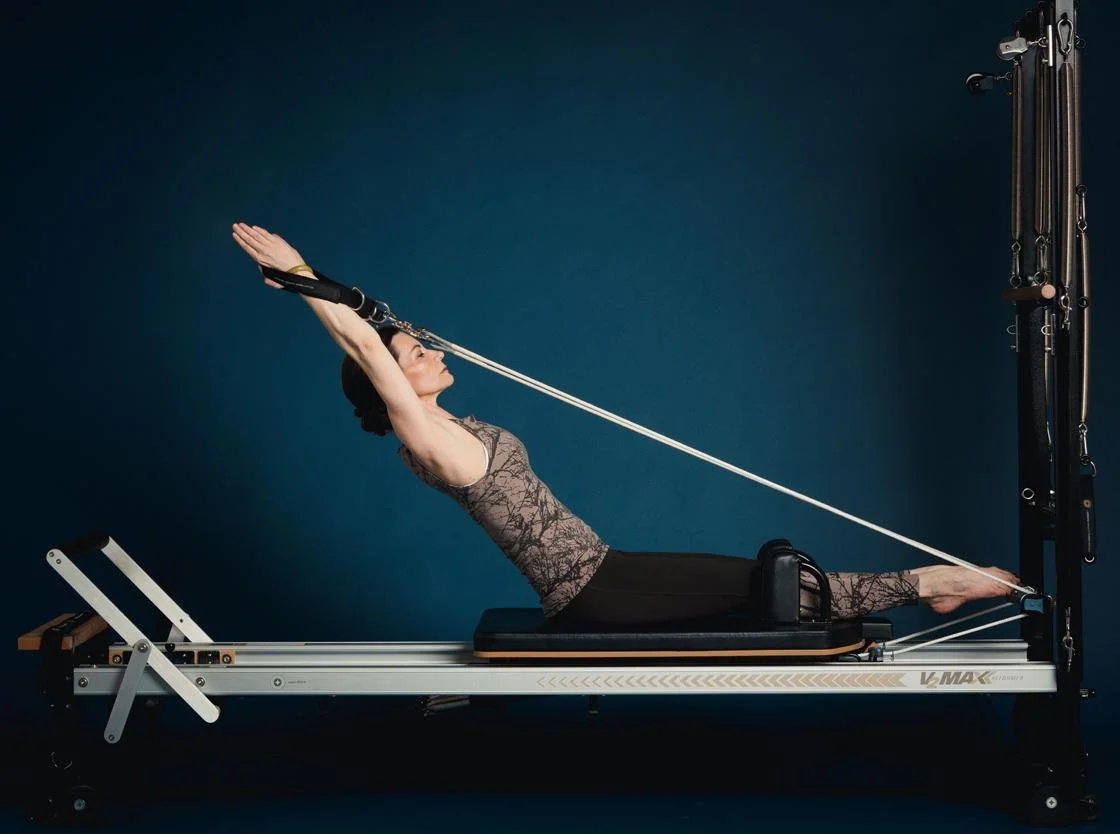
You do not need to be flexible to start Pilates. Flexibility develops as you build strength, control and better movement patterns.
If you are ready to start, get in touch and tell us where your body is right now. A clinically trained instructor will recommend the right starting point for you. You can reach us on WhatsApp at +65 9835 5683 or at info@breathepilates.com.sg.