
Breathe Pilates Blog
Is Pilates Good for Osteoporosis & How Do You Train Safely?
Pilates can be safe & beneficial for Oosteoporosis, but not every class is appropriate. Find out what helps, what to avoid & why your instructor matters.
Pilates vs Yoga: Which One is Right for You?
Compare Pilates vs Yoga to understand their differences, benefits and how each practice supports strength, flexibility, balance and wellbeing.
Should I Eat Before Pilates Classes?
Eating before Pilates is important, but timing and portion size are crucial. Discover the ideal pre-class fuel and what to avoid at Breathe Pilates.
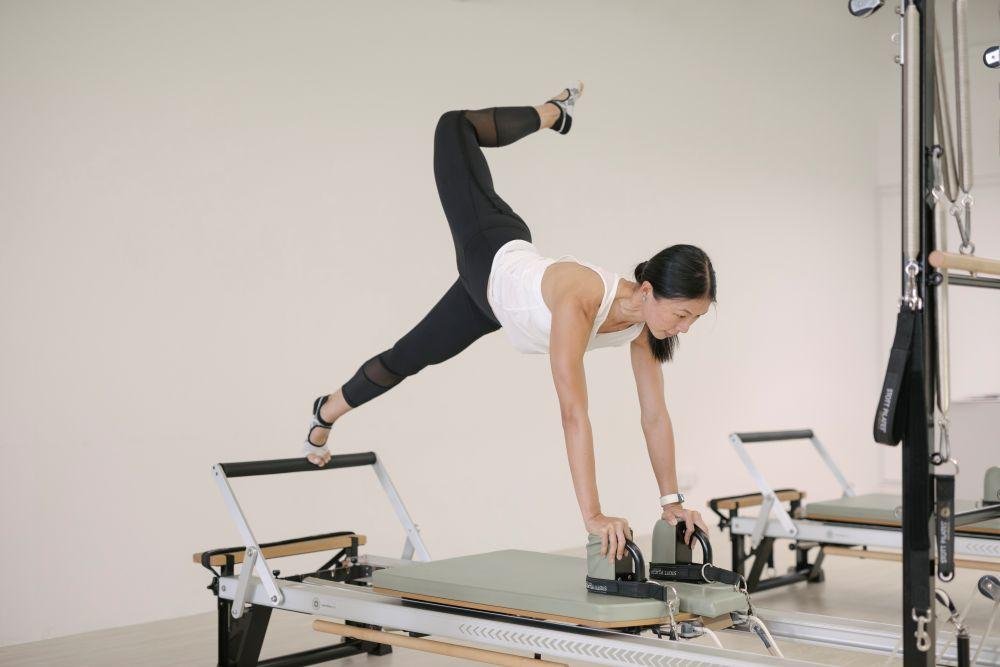
Is Pilates Good for Hypermobility?
Pilates is considered one of the best exercises for hypermobility. Discover why it works, how to start & what to look for in a studio and instructor.
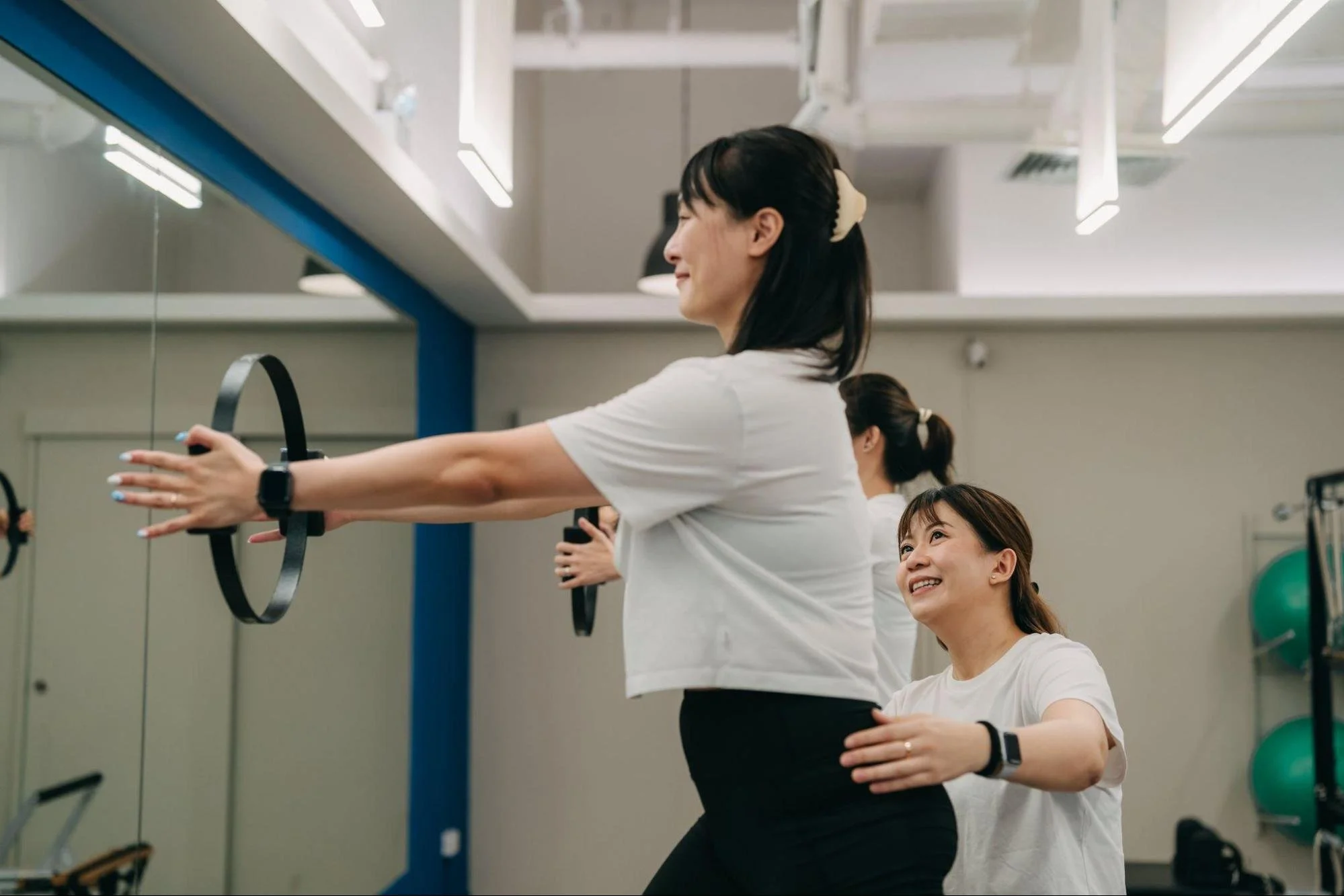
How to Strengthen the Pelvic Floor: Pilates for Weak Pelvic Floor Muscles
Pelvic floor weakness needs more than Kegels. See how Pilates exercises strengthen the whole core system, and where clinical Pilates helps.
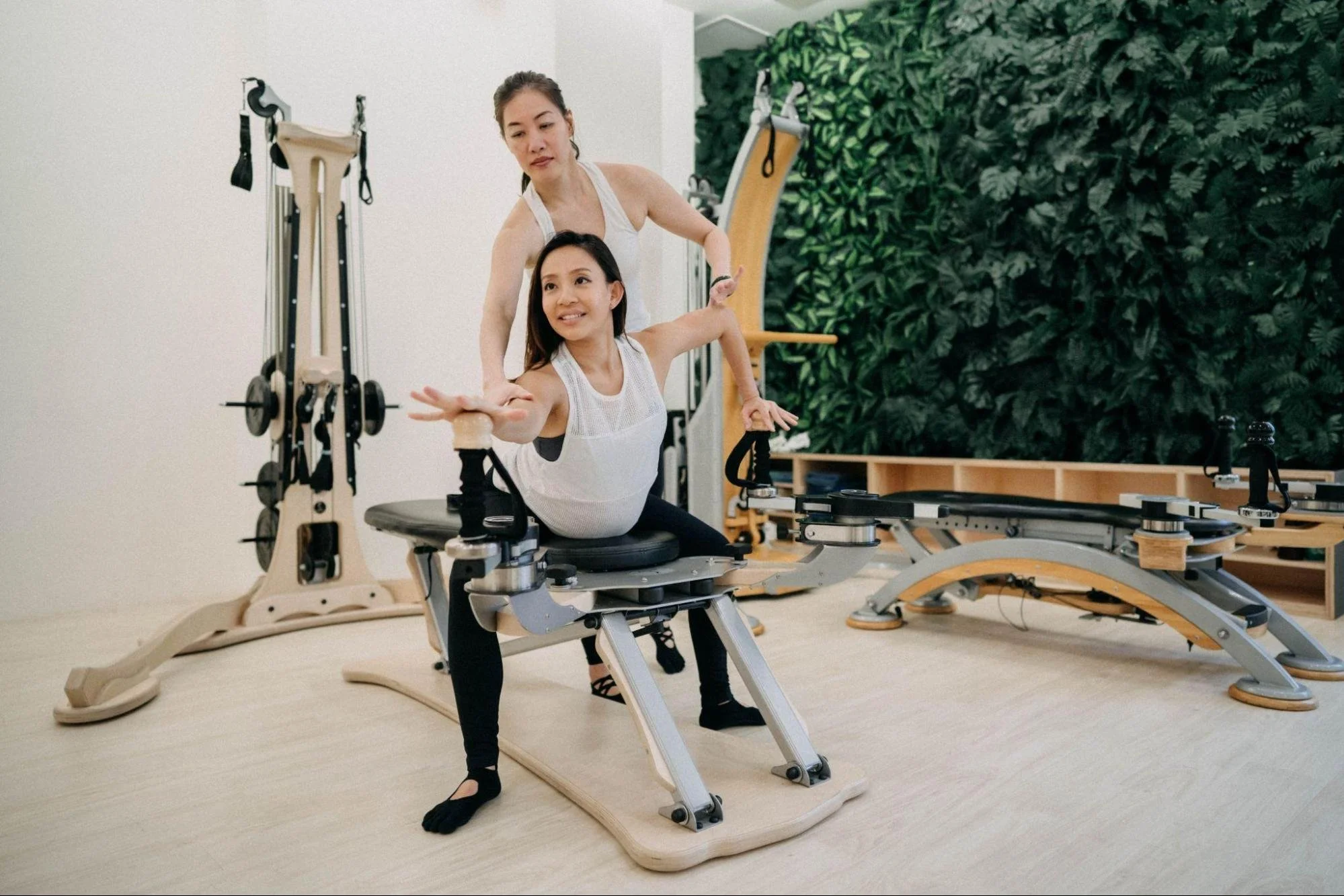
Diastasis Recti Exercises: What Is Diastasis Recti and Can Clinical Pilates Help?
Not all Diastasis Recti exercises are appropriate. Learn what diastasis recti is, why standard core training falls short, and how Clinical Pilates helps.
Redefining the Golden Years with Pilates for Seniors
Is Pilates safe in your later years? See how Pilates for seniors supports balance, strength, posture and confident, independent movement at any age.
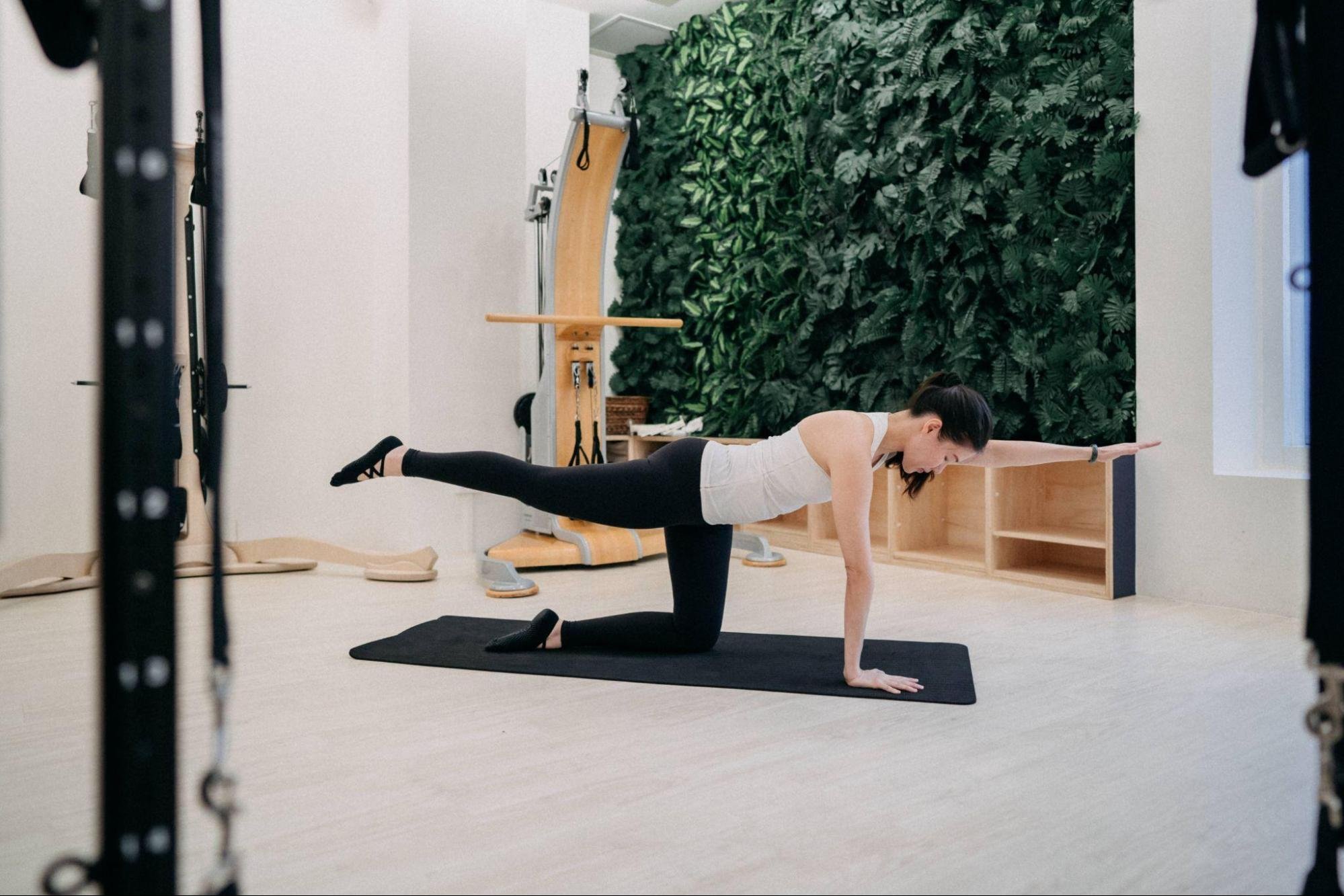
What is Clinical Pilates, and How Does it Differ From Regular Pilates?
Clinical Pilates and regular Pilates have the same equipment but serve distinct goals. Learn how clinical Pilates works and how to choose the right format.
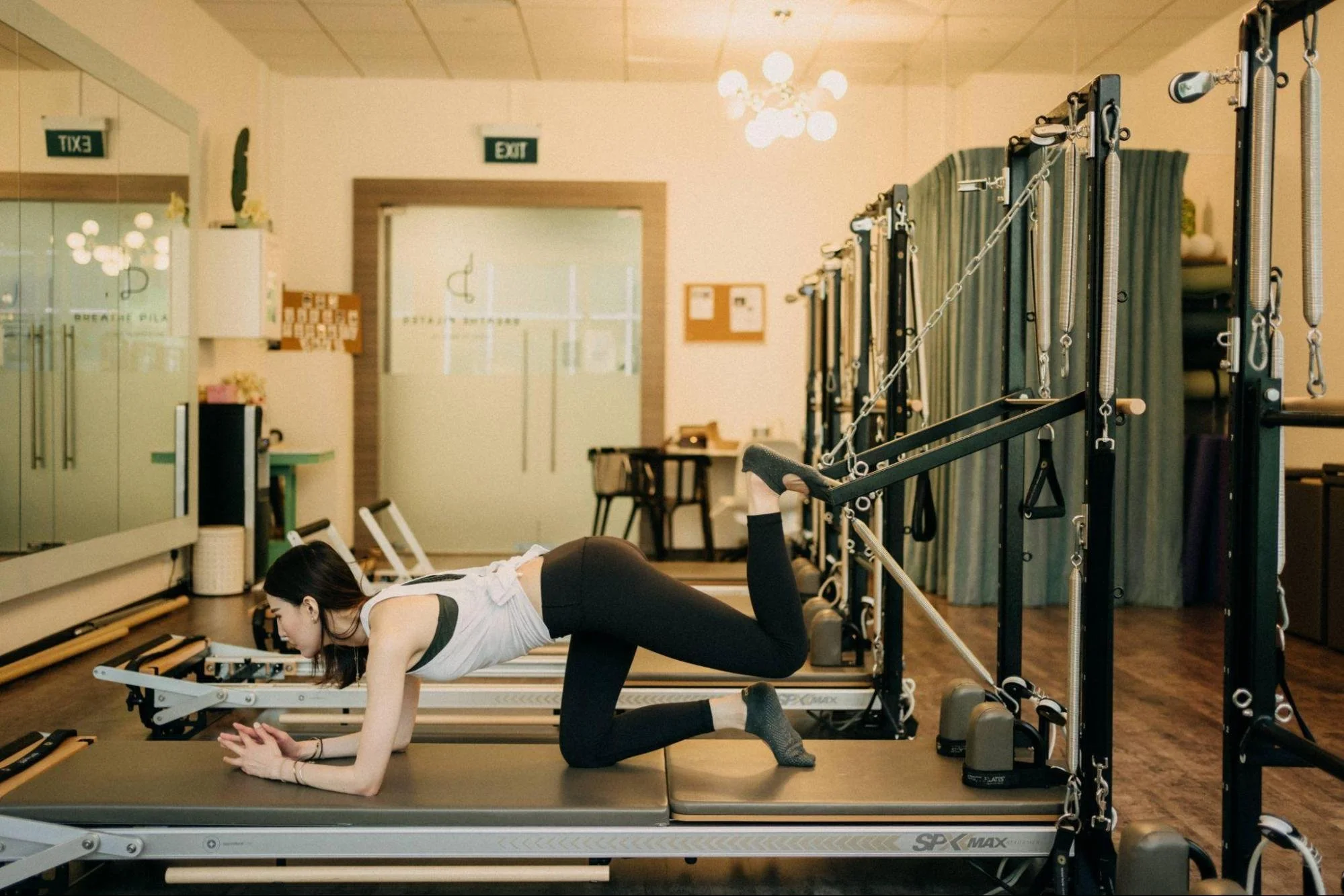
Comparing the Industry Giants: How to Choose the Best Pilates Certification
Comparing the best Pilates certifications, from STOTT PILATES® to Polestar, to help you choose the right instructor training pathway.
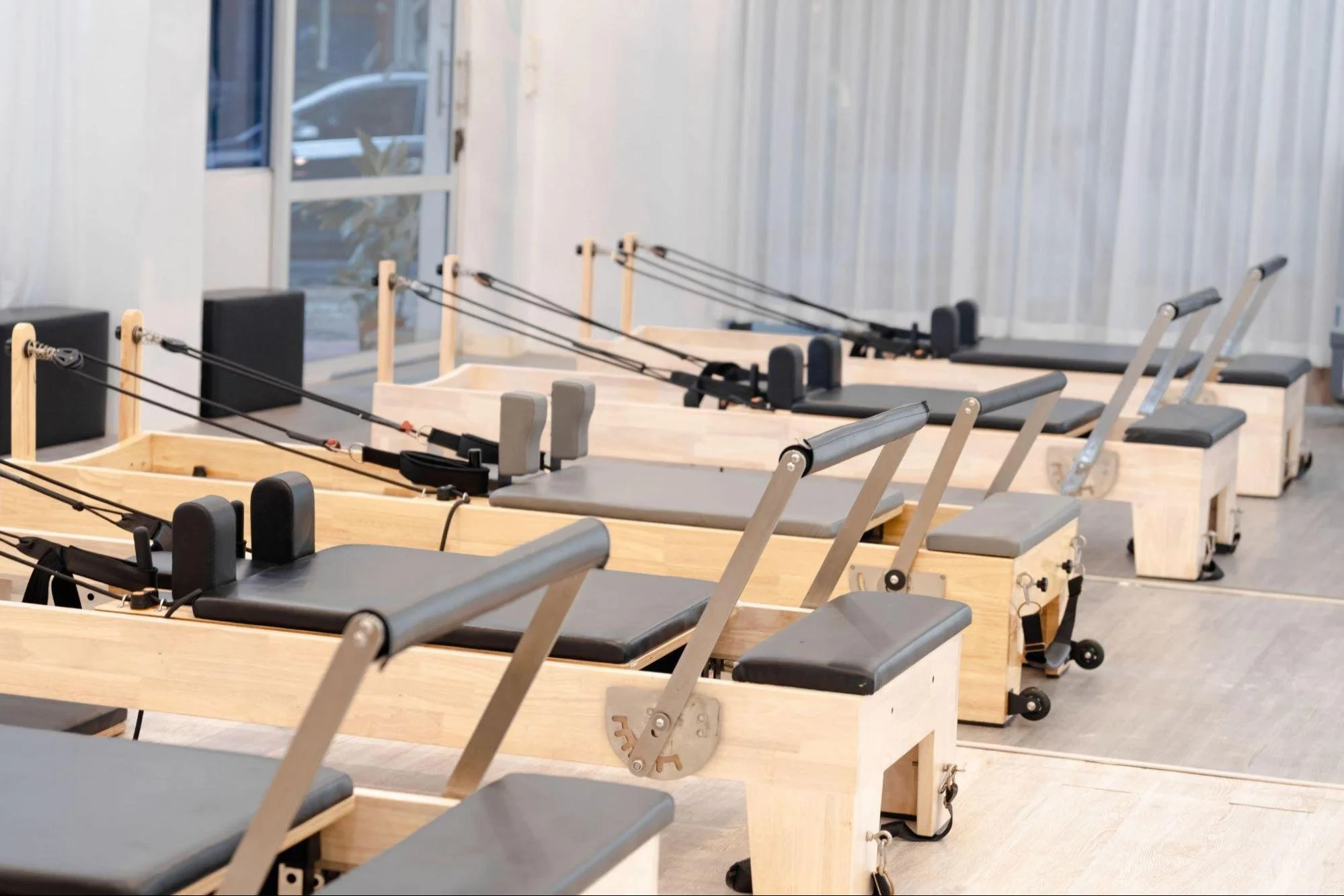
How Many Times Should You Go to Pilates in a Week?
3 to 4 times a week is the recommended frequency for most. Breathe Pilates explains how to build a weekly routine that fits your goals & fitness level.
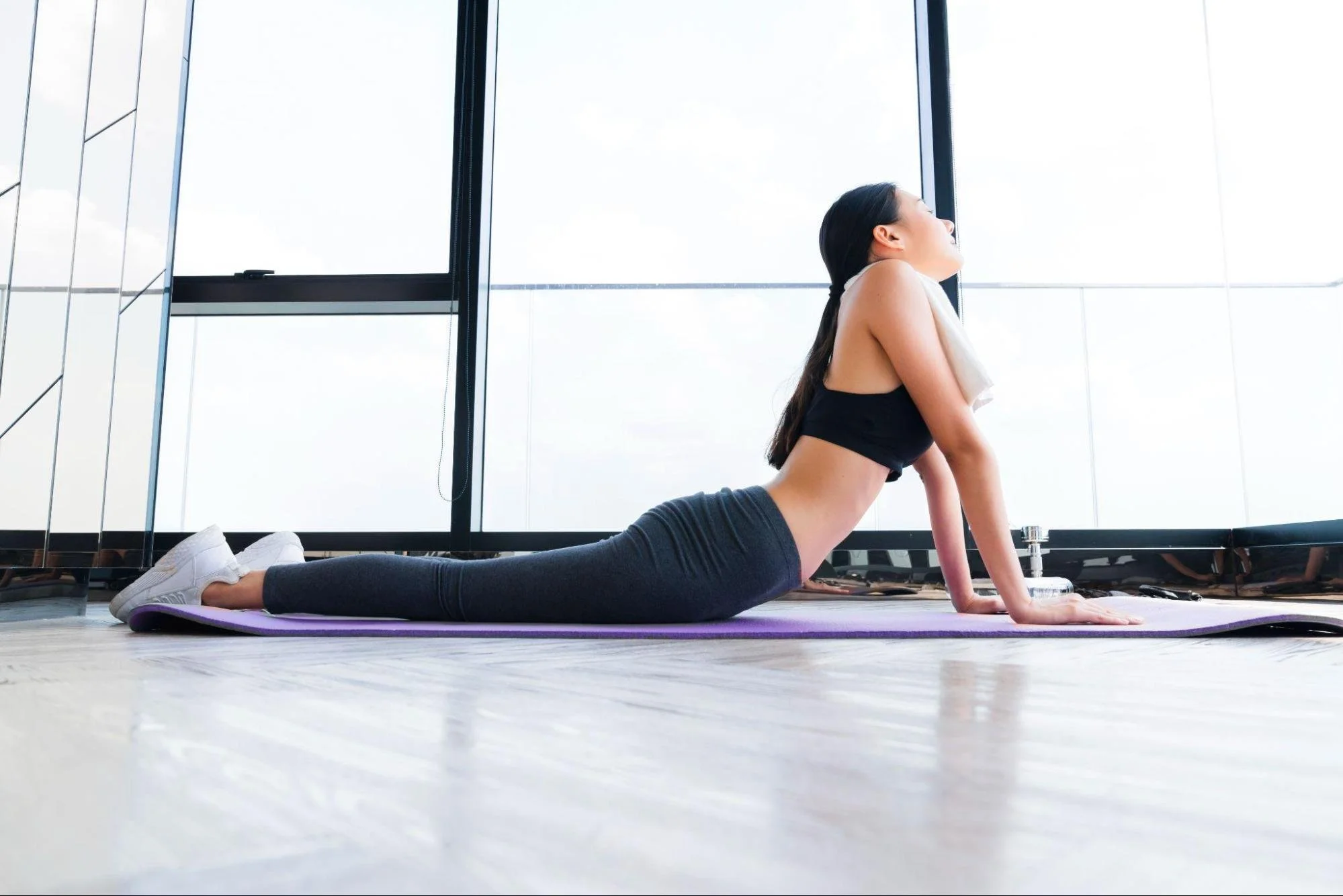
Mat Pilates vs Reformer Pilates: Which One Is Right for You?
Mat Pilates vs Reformer Pilates: understand the key differences, which is harder, and which type suits your goals, fitness level and lifestyle.
Pilates vs Strength Training: Which Is Right for You?
Pilates vs weight training: Both build strength, in different ways, for varying outcomes. Find out which suits you, & why many find the two work together.
Is Pilates Good for a Herniated Disc? What You Need to Know
Find out how clinical Pilates can support herniated disc recovery, which exercises to avoid, and what to look for in a safe, tailored programme.
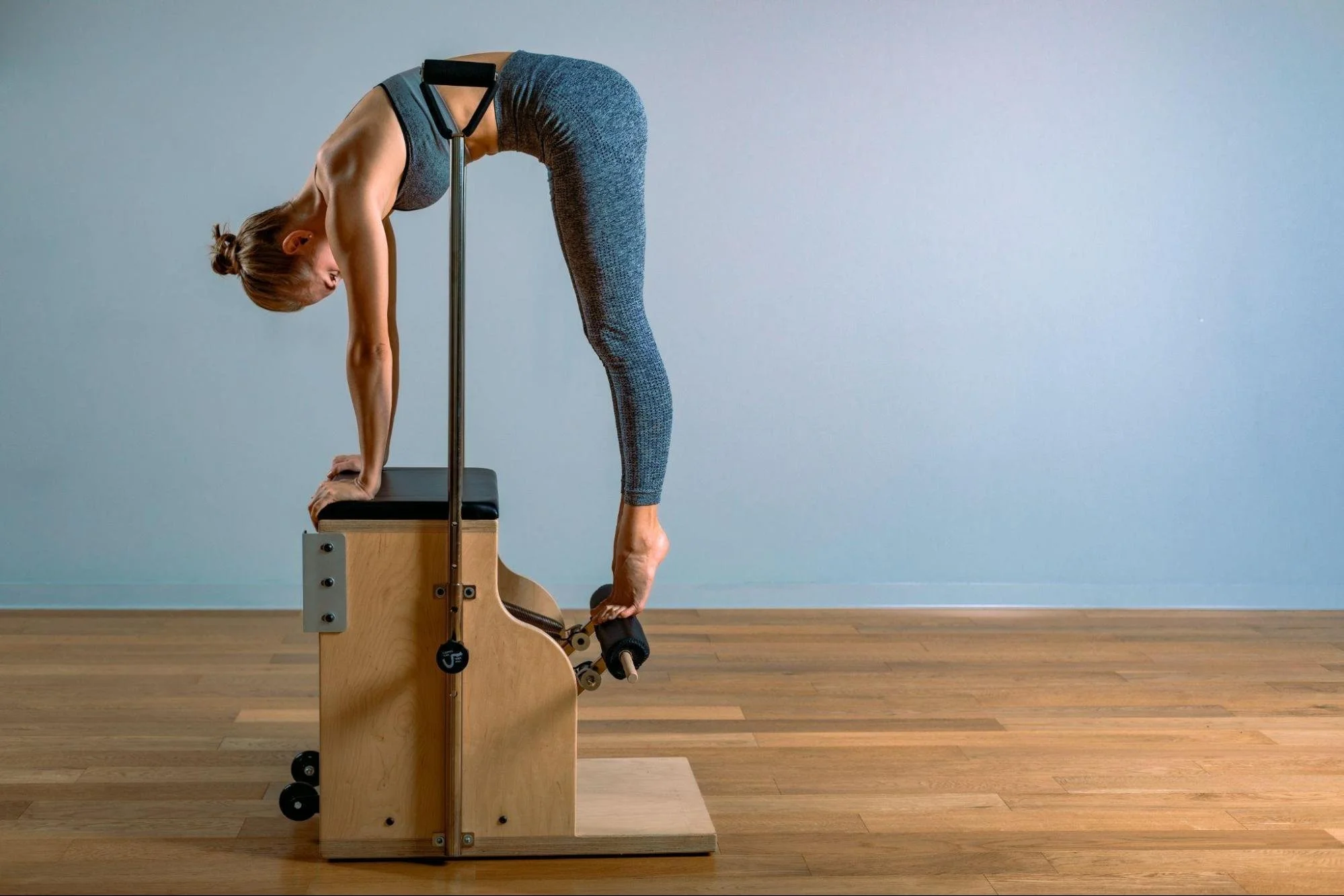
Wunda Chair Pilates: Benefits, Exercises, and Why It Belongs in Your Practice
Discover the benefits of Wunda Chair Pilates, how it differs from the Reformer, key exercises to know, and whether it is right for your practice.
Pilates for Desk Workers: How to Undo What Your Office Chair Is Doing to Your Body
Desk work causes poor posture, tight hips and tech neck. Find out how Pilates targets the muscles sitting neglects, plus four moves to try at home.
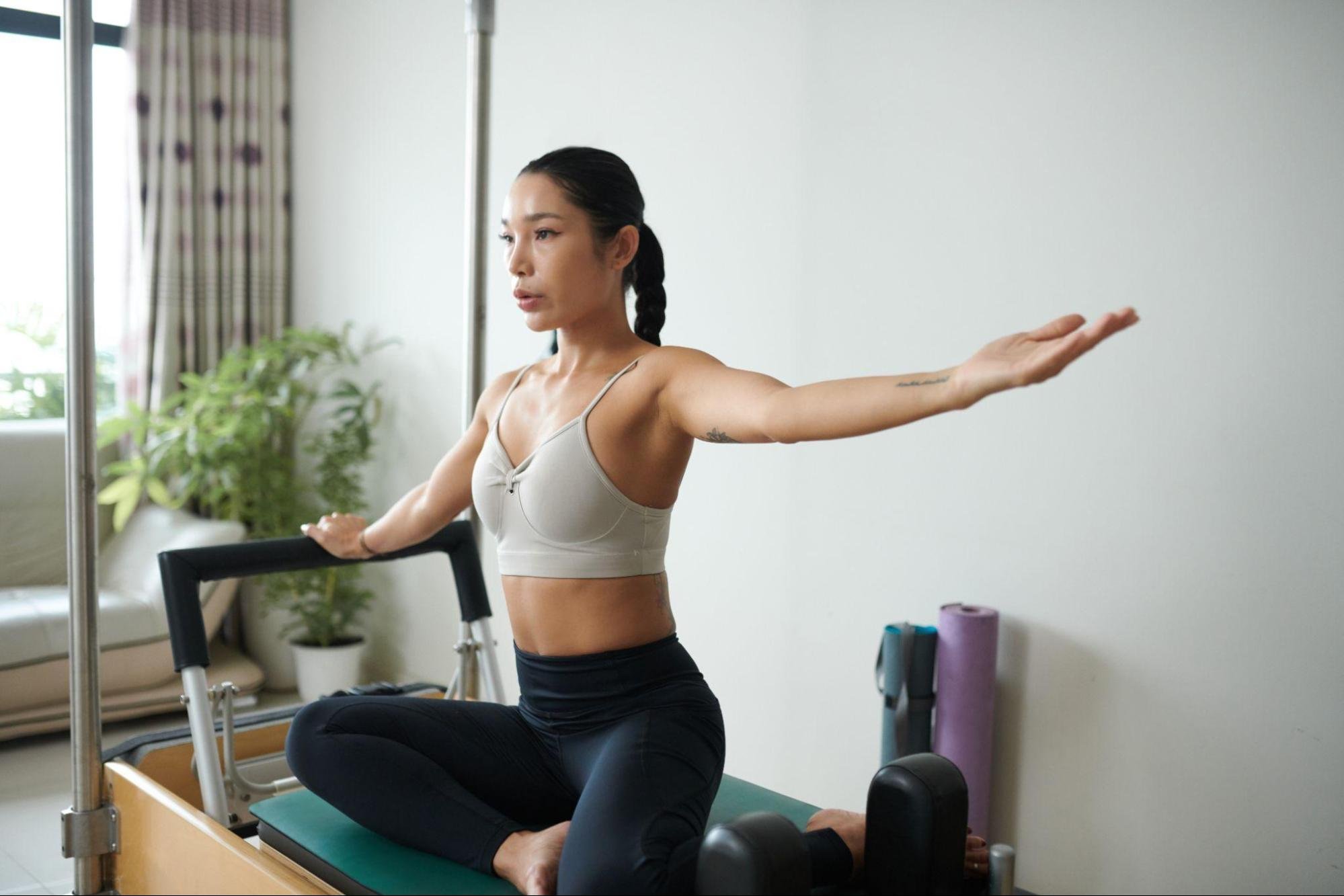
Pilates for Scoliosis: Merrithew (STOTT) vs. Classical
Not all Pilates treat the spine the same way. Discover why the Merrithew (STOTT PILATES®) methodology makes a meaningful difference for scoliosis.
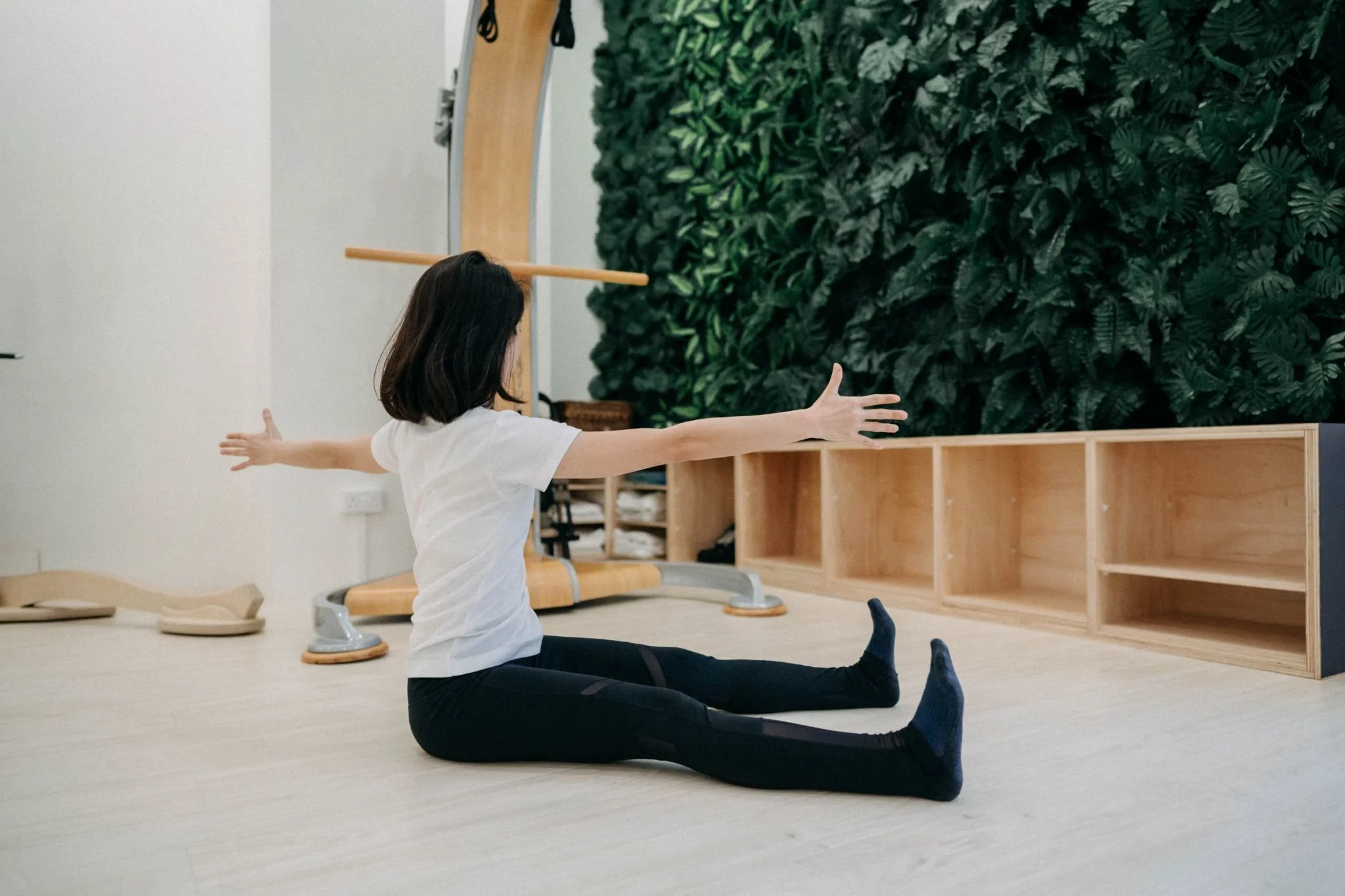
Is Pilates Good for Menopause? Benefits, Stages and What to Expect
Find out why pilates for menopause is an ideal choice at every stage of the transition. Bone density, muscle mass and more, explained by Breathe Pilates.Learn more about what to expect in private and group pilates sessions.

Private vs Group Pilates: Costs and Benefits
Learn more about what to expect in private and group pilates sessions.
Your Guide to Pilates Instructor Certification
From Mat to full studio certification, discover Pilates instructor training timelines and STOTT® PILATES pathways in Singapore.

Pilates Exercises for Scoliosis
Pilates exercises can be beneficial for individuals with scoliosis as they strengthen core muscles and help manage body pain. Learn more about it.