Clinical Pilates
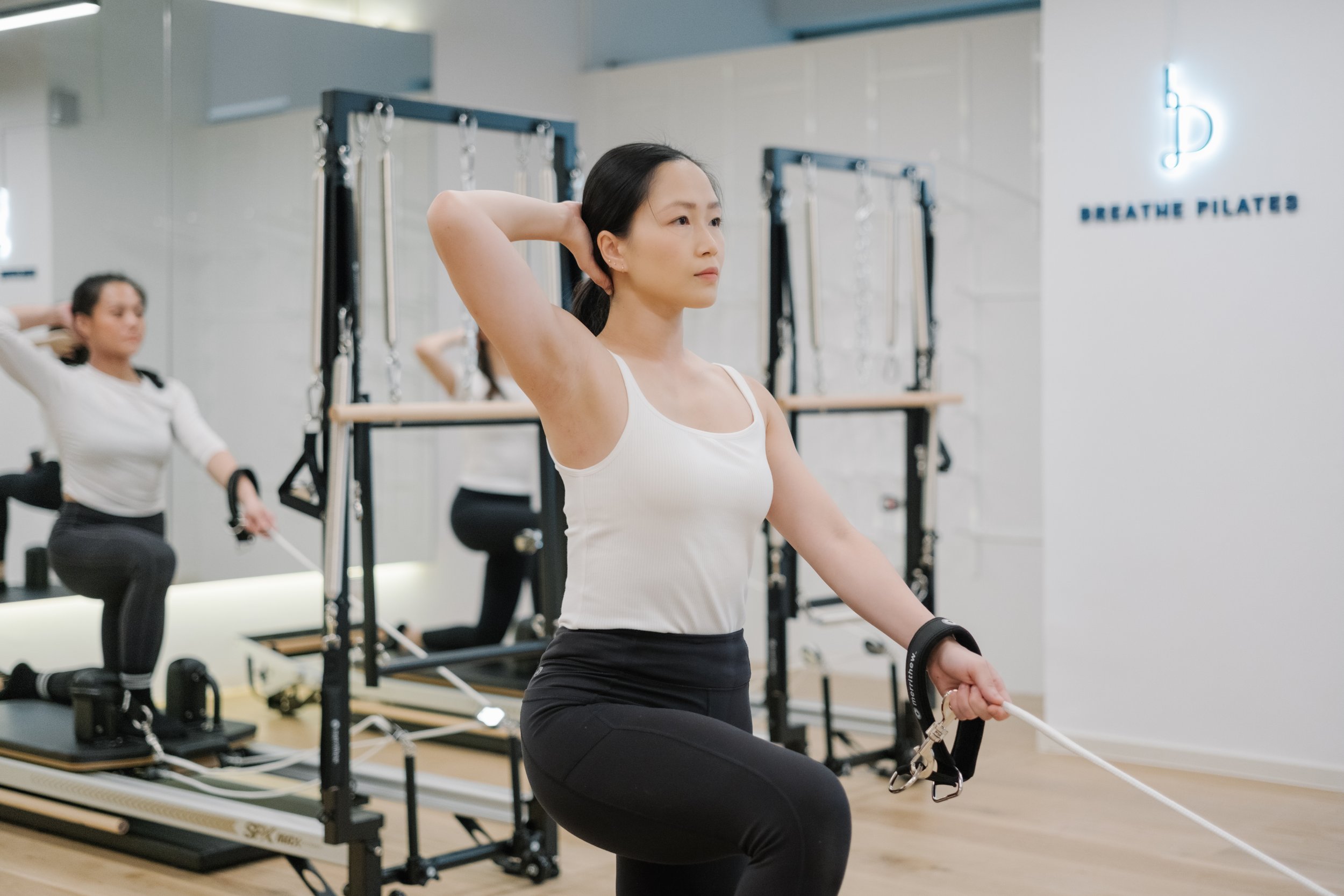
Clinical Pilates is a system of safe and effective exercises, which meet specific individual needs, to treat a wide range of injuries and conditions.
By working into your body’s preferred movement, Clinical Pilates improves your mobility, stability, balance, posture and overall function.
While most treatments deal with short-term treatment, we do not focus merely on treating the symptoms but also in getting to the root of the injury. Every injury is unique and our multi disciplinary team of therapists will delve deeper to better understand your condition and empower you to take charge of your health.
What We Treat

Scoliosis
-
Scoliosis is a change in the shape of the spinal column. The spine can twist and curve. This may lead to changes in the ribcage or the waist.
There are three main causes for a curve:
Congenital (present at birth)
Neuromuscular or syndromic (caused by a syndrome or a condition like cerebral palsy or muscular dystrophy)
Idiopathic (the cause is unknown)
In 80% of cases the cause is unknown.
-
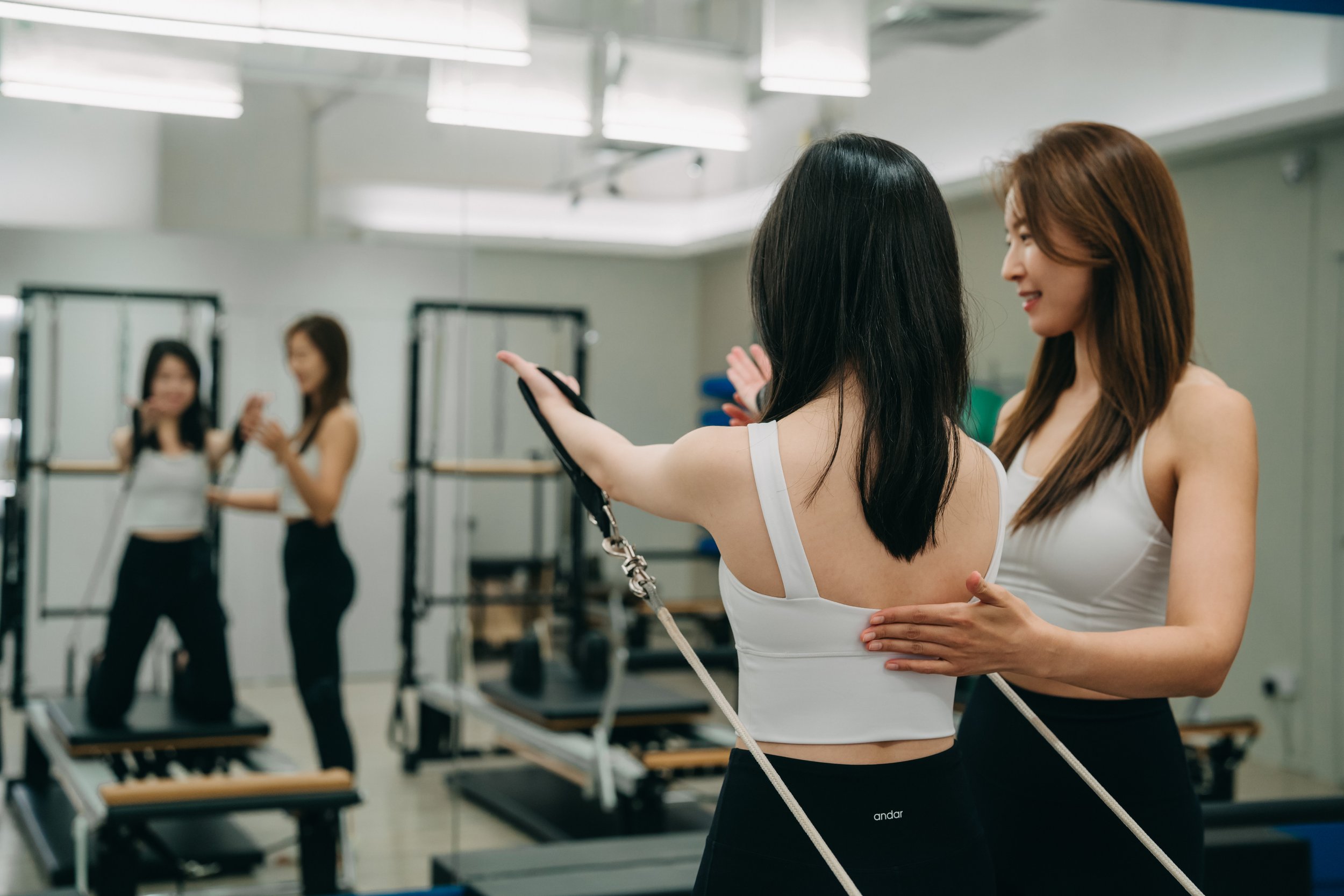
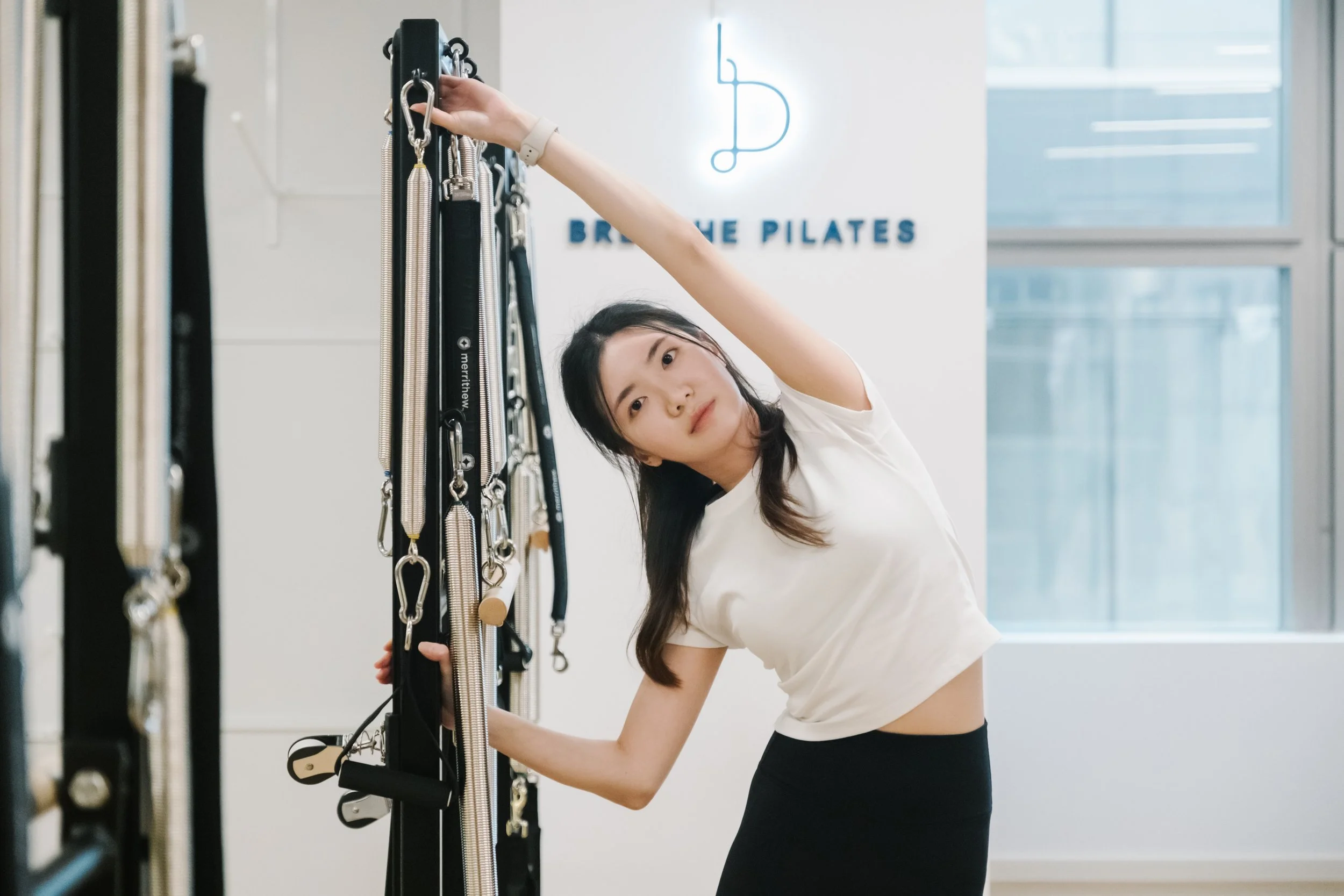
You can’t reverse the curve in your spine with pilates exercise but a targeted programme can teach you how to release tight areas of your spine, improve your awareness of alignment and strengthen the internal muscles that support and control your spine.
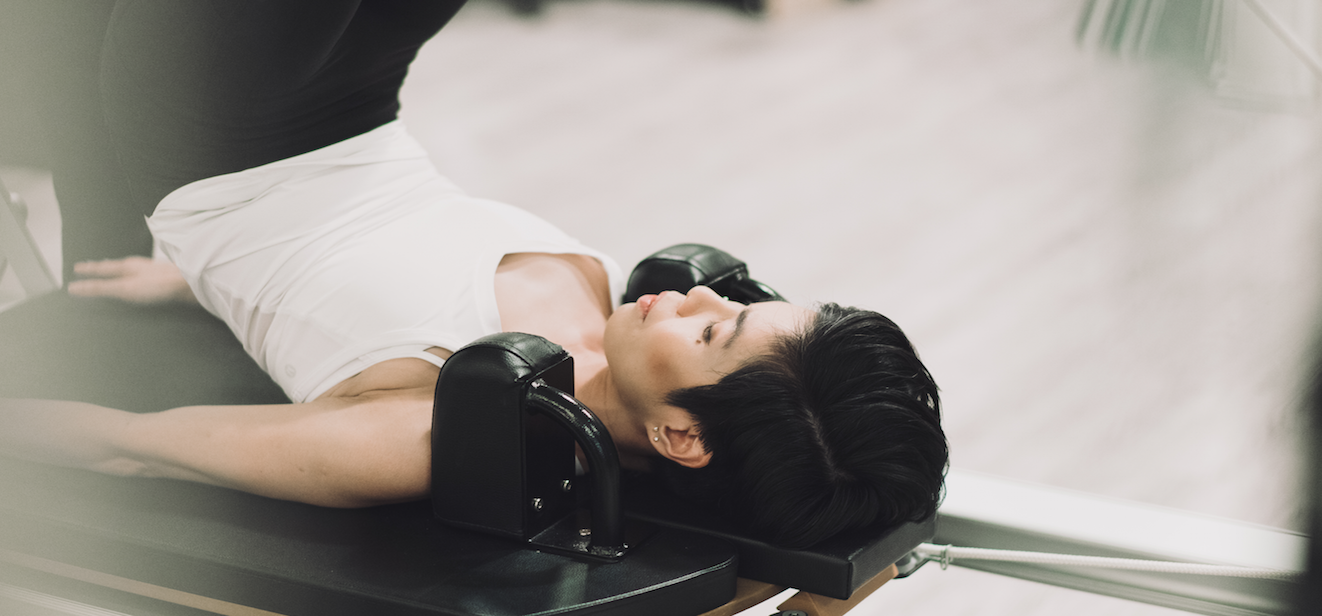
Reformer Pilates supports scoliosis by strengthening the deep core muscles to stabilise the spine, improving spinal flexibility and posture, and increasing body awareness to help correct muscular imbalances.
The reformer machine allows for tailored, low-impact exercises that can be adapted to an individual's specific curvature, helping to alleviate pain, improve range of motion, and provide a stable framework for better movement patterns in daily life.
Chronic Back Pain
-
Chronic back pain is pain that lasts for 3+ months which is often due to underlying issues like arthritis, spinal stenosis, disk problems, or muscle issues, and can be managed with treatments such as exercise, posture changes, medication, and, in some cases, surgery.
-
Reformer Pilates is often used to actively address back pain by correcting postural and muscular imbalances.
Pilates works by lengthening and strengthening muscles. It is a system that combines flexibility and muscle development with conscious awareness using the breath.
The basic principles of Pilates support overall spinal health, with many of the exercises designed to strengthen the center of the body. This central area is called the “Powerhouse” in Pilates. It includes the abdominal muscles, low back muscles, gluteal muscles, the pelvic floor, and the muscles in the hips. Each exercise in Pilates begins from this area. Strengthening the Powerhouse creates a stable and stronger back, therefore decreasing injury and pain. When the Powerhouse is strong, the spine is braced and the discs are protected with the support of the musculature.
Arthiritus
-
Arthritis is a common condition causing joint inflammation, pain, and stiffness, resulting from the breakdown of the protective cartilage that cushions the ends of bones.
There are 100+ types of arthritis, with the most common being osteoarthritis, a wear-and-tear type, and rheumatoid arthritis, an autoimmune disease where the immune system attacks the joints.
While the damage can't be reversed in osteoarthritis, treatments and lifestyle changes can help manage symptoms, slow progression, and maintain an active lifestyle.
-
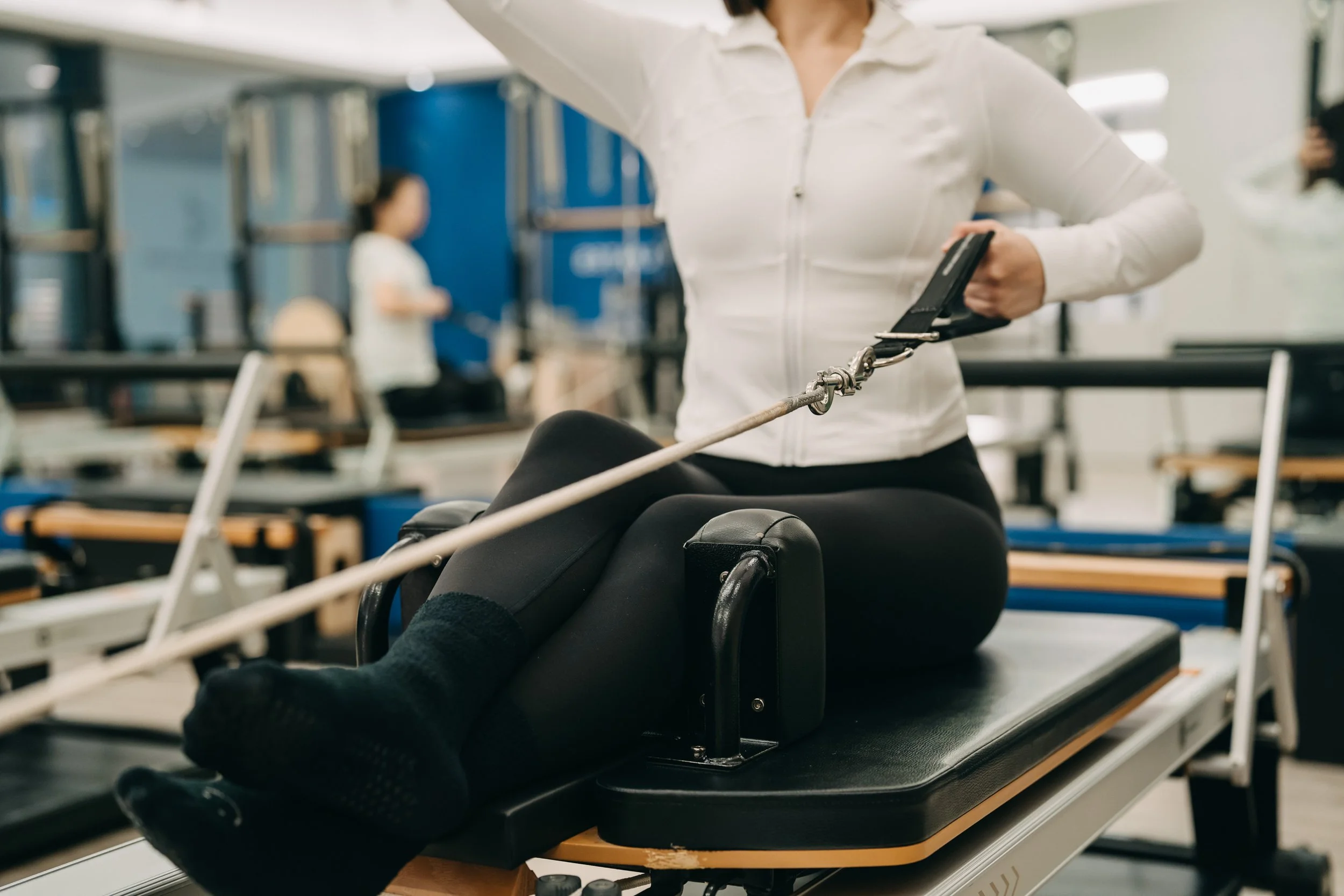
Pilates is great form of exercise for arthritis as it is low impact, supportive and helps improve joint mobility as well as building muscle strength.
Another benefit of Pilates is that it doesn’t just focus on one area of the body, but ensures your whole body is working well. This holistic type of movement promotes improvements in posture, balance, and overall bodily function, rather than solely targeting specific problem areas.
Sciatica
-
Sciatica refers to pain that radiates along the path of the sciatic nerve, typically affecting one side of the body.
Common causes include herniated discs, spinal stenosis, or irritation of the nerve roots in the lumbar spine.
-
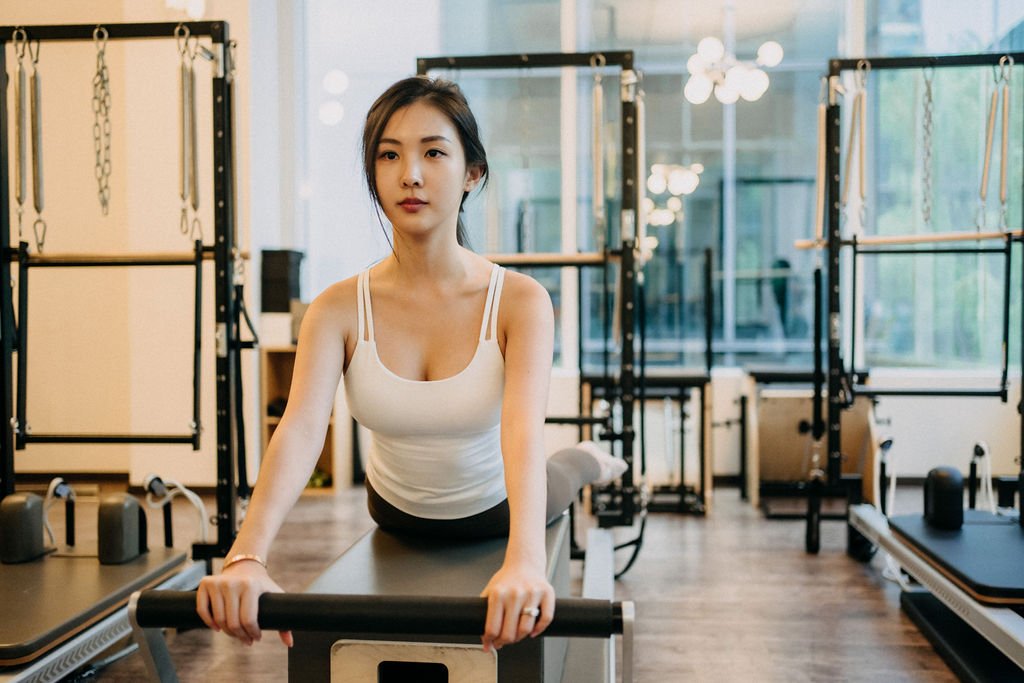
Pilates and sciatica recovery are often linked because the method helps retrain movement patterns that may be putting excess pressure on the sciatic nerve. By strengthening weak areas and improving body mechanics, Pilates can address both the symptoms and underlying causes of sciatic pain.
Core strengthening: The core muscles, particularly those surrounding the lower back and pelvis, help stabilise the spine, reducing pressure on the sciatic nerve.
Flexibility improvement: Stretching movements can help release tension in tight muscles, including those around the sciatic nerve, improving range of motion.
Posture correction: Emphasising proper body alignment and posture awareness helps correct imbalances that may contribute to sciatica.

Slipped Discs
-
A slipped disc, also known as a herniated disc, occurs when the soft, inner part of a spinal disc pushes through a tear or weakness in its tough outer layer.
This disc material can then press on nearby nerves, causing pain, numbness, or weakness in the back, legs, or arms. Symptoms vary by location, but lower back or leg pain is common. Most cases resolve with rest and gentle activity, though persistent symptoms may require medical attention.
-
Pilates can be a great tool to help with a herniated disc. However, if you suspect you have a herniated disc and you have not been to see a medical professional – make sure that you do so before embarking on any exercise programme. Once you have the all clear to go ahead with Pilates, the exercises can help you recover from disc prolapse through encouraging gentle movement which will help to nourish the spinal discs, and mobilise the soft tissues and joints of the spine.
Pilates will also get you working on low intensity strength in supported positions, and gradually progress the challenge according to your symptoms and your goals.

Post-Surgery Rehabilitation
-
Pilates is a controlled way to help you return back to exercises and reach your goals following all different types of surgery. It is taught by very experienced instructors and physiotherapists.
Often people are worried about returning back to exercise and building up their fitness post-surgery, therefore Pilates is a great way to build up the fundamental strength and fitness required to get you to where you want to be. Examples of surgery where post-operative Pilates can help
Knee replacements
Hip replacements
Arthroscopies
Ligament reconstruction
Foot and ankle surgery
Spinal surgery
Shoulder surgery
-
Pilates has increasingly found its worth in the realm of recovery, especially for those recuperating from surgery.
The strength, flexibility, and balance derived from performing Pilates exercises can play a significant role in recuperation. The ability of Pilates in strengthening the core is indeed noteworthy.
This practice overshadows traditional methods of aerobic exercises and lifting weights in amplifying core strength. It focuses on the coordinated movement of the entire body , leading to a deeper connection between physical health and mental wellness.
Choose Your Breathe Pilates Plan
3 Private Sessions
or
4 Duet Sessions
$393 / $462* / $583**
Duet sessions are Pilates classes designed for two people. Participants need to find their own partner to join these sessions.
Valid for 2 months
3 Privates or 4 Duets
&
5 Group Classes
$661 / $731* / $851**
Duet sessions are Pilates classes designed for two people. Participants need to find their own partner to join these sessions.
Valid for 3 months
Group Class Option for experienced Pilates Practitioners only
Articles
-

Pilates For Back Pain
What should we know about the services you provide? Better descriptions result in more sales.
-
Pilates For Scoliosis
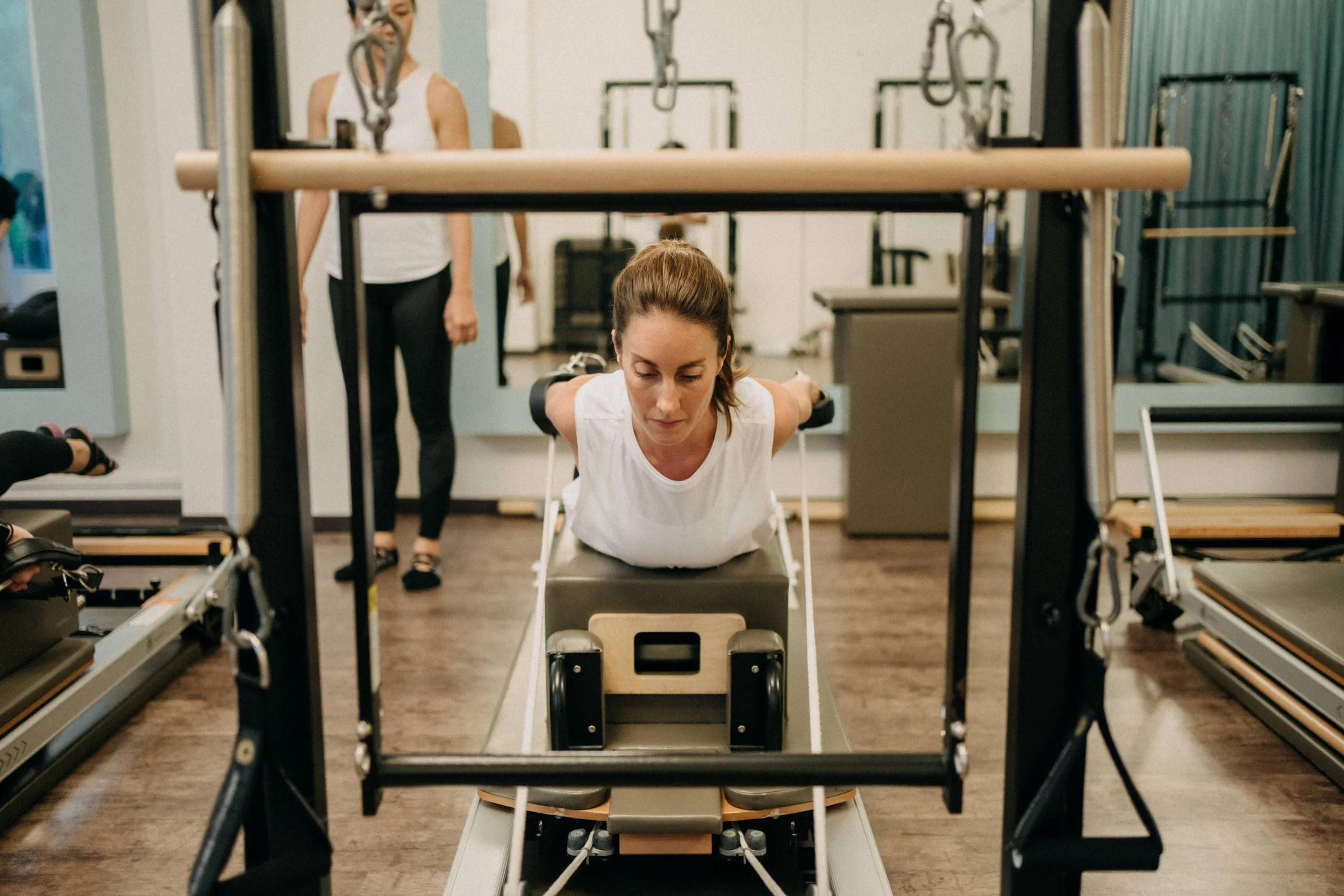
A good place to start is to learn how to tighten your pelvic floor and deep abdominal muscles. In fact, this is the same for everyone (scoliosis or not) and here’s how to do it:
-
Pilates Exercises for Lower Back & Hip Pain
We explain the most common causes of lower back and hip pain and share exercises and self-massage techniques to help relieve tension so you can stand tall and pain-free!
-
Goodbye Lower Back Pain. How To Save Your Back
Clinical Pilates relieves back pain by retraining movement patterns, improving spinal control, and restoring healthy function. Discover how to release lower back and hip tension.